News
CLAYCATCH Project:
Study Visit to the Vinča Institute of Nuclear Sciences
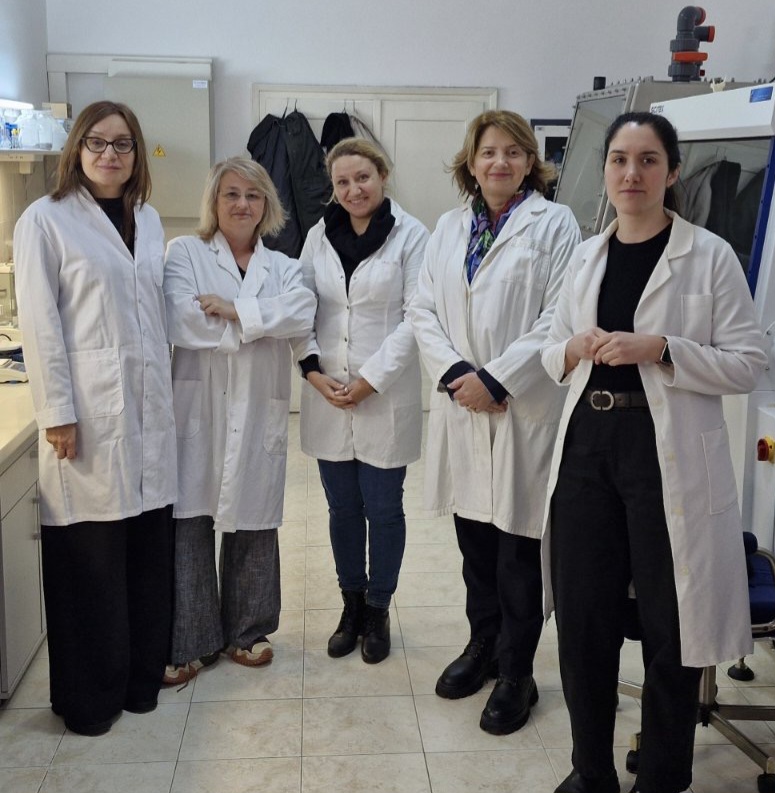
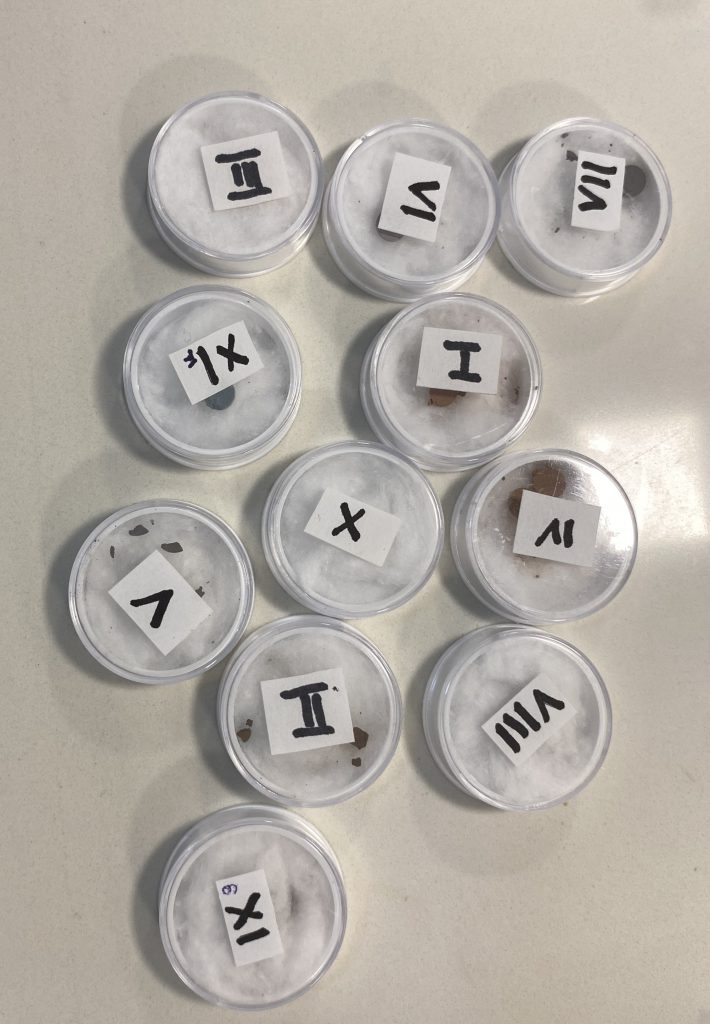
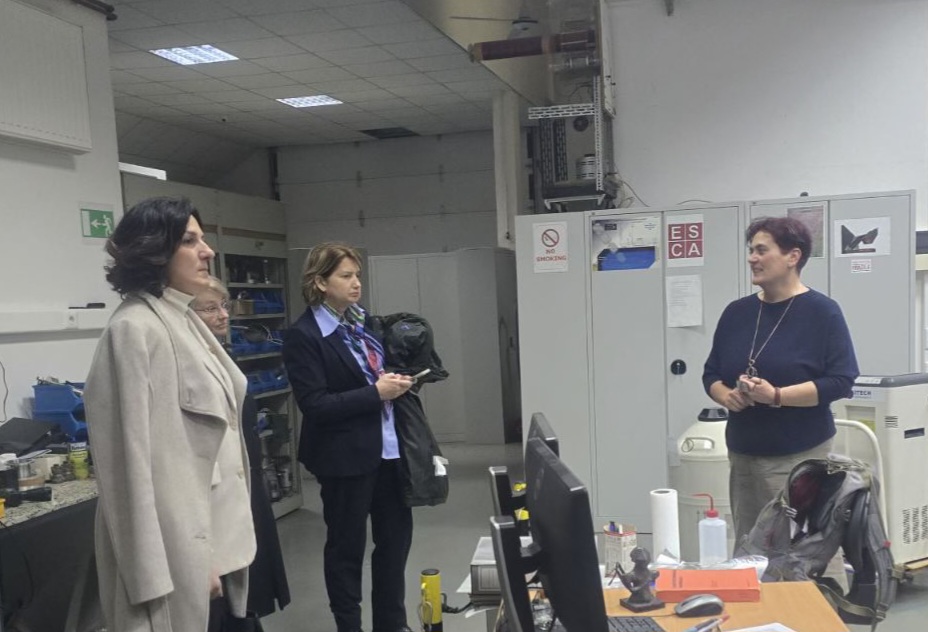
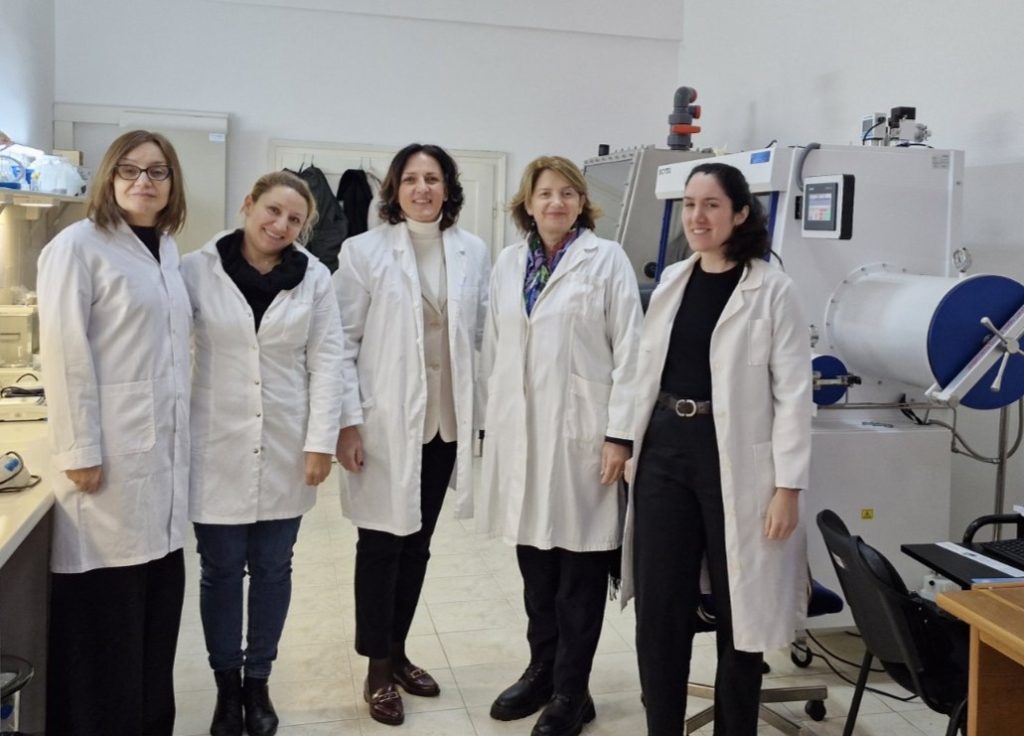
Within the final phase of the “Design of innovative filters based on pyrophyllite for the sorption of dyes from wastewater” – CLAYCATCH project, a study visit of the project team was carried out from 27th to 29th January 2026 at the Vinča Institute of Nuclear Sciences, a national research institute of the Republic of Serbia (the University of Belgrade). During the visit, Prof. Vanja Asanović, Prof. Milena Tadić, and Prof. Biljana Damjanović Vratnica, Montenegrin project team members, in cooperation with the research group from the CONVINCE – Centre of Excellence for Hydrogen and Renewable Energy, headed by Dr Jasmina Grbović Novaković, analysed research results directly relevant to the objectives of the CLAYCATCH project. The discussions focused on the characterisation of pyrophyllite-based materials, interdisciplinary research approaches, and the application of scientific findings to develop innovative wastewater treatment solutions.
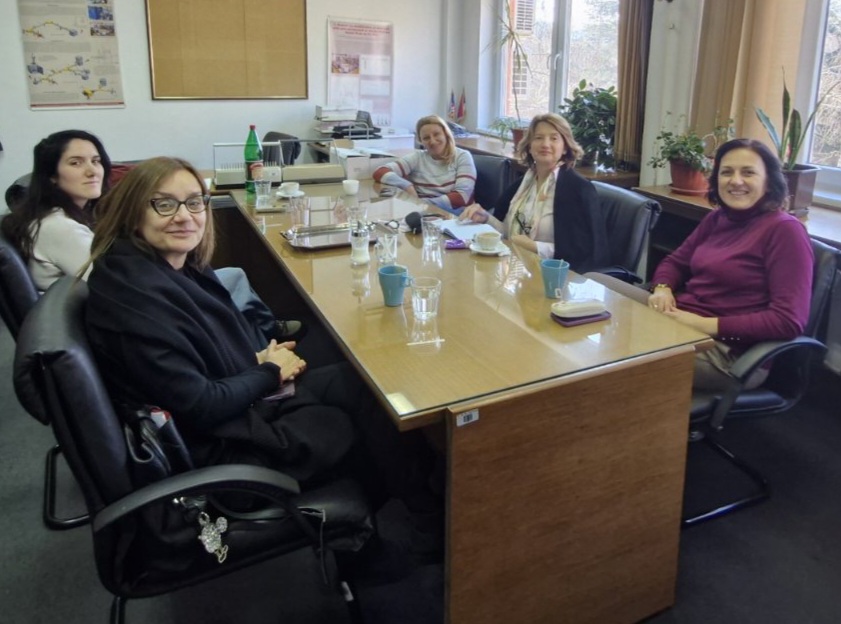
A dedicated meeting with Dr Marija Janković, Deputy Director of the Vinča Institute, addressed previous and ongoing cooperation, joint research projects, scientific publications, and co-supervision of master’s and doctoral theses. The successful implementation of activities under the Agreement for Long-Term Scientific, Technical and Business Cooperation (signed in 2024) was highlighted as a strong foundation for further collaboration and the initiation of new research projects aligned with CLAYCATCH’s goals.
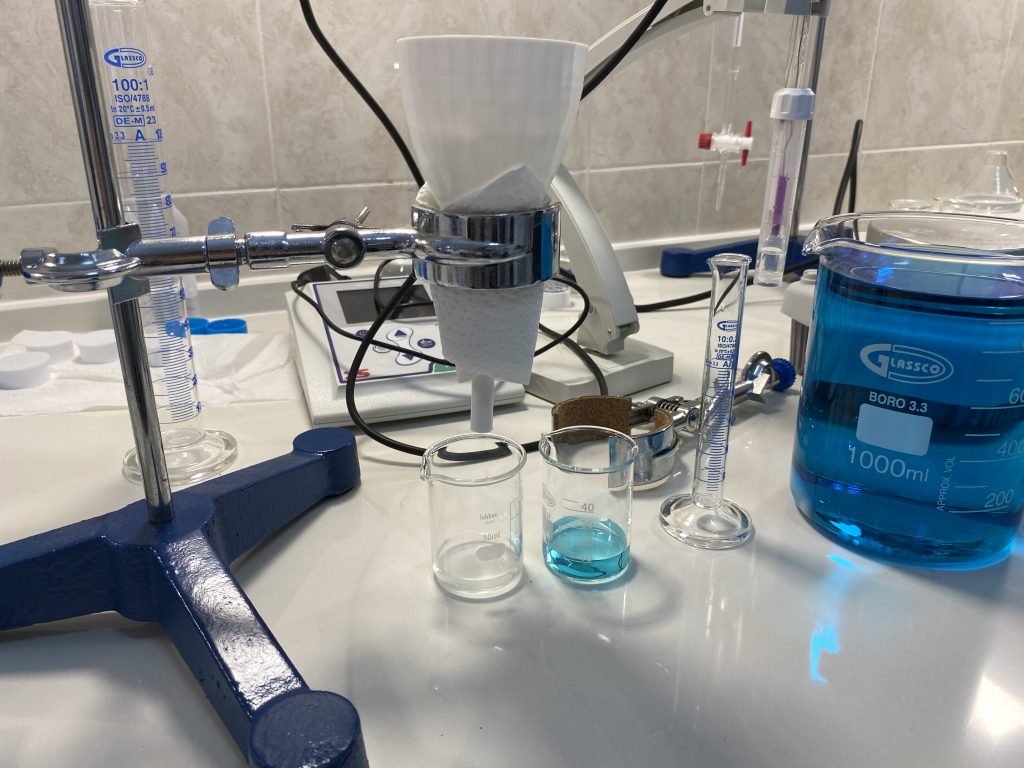
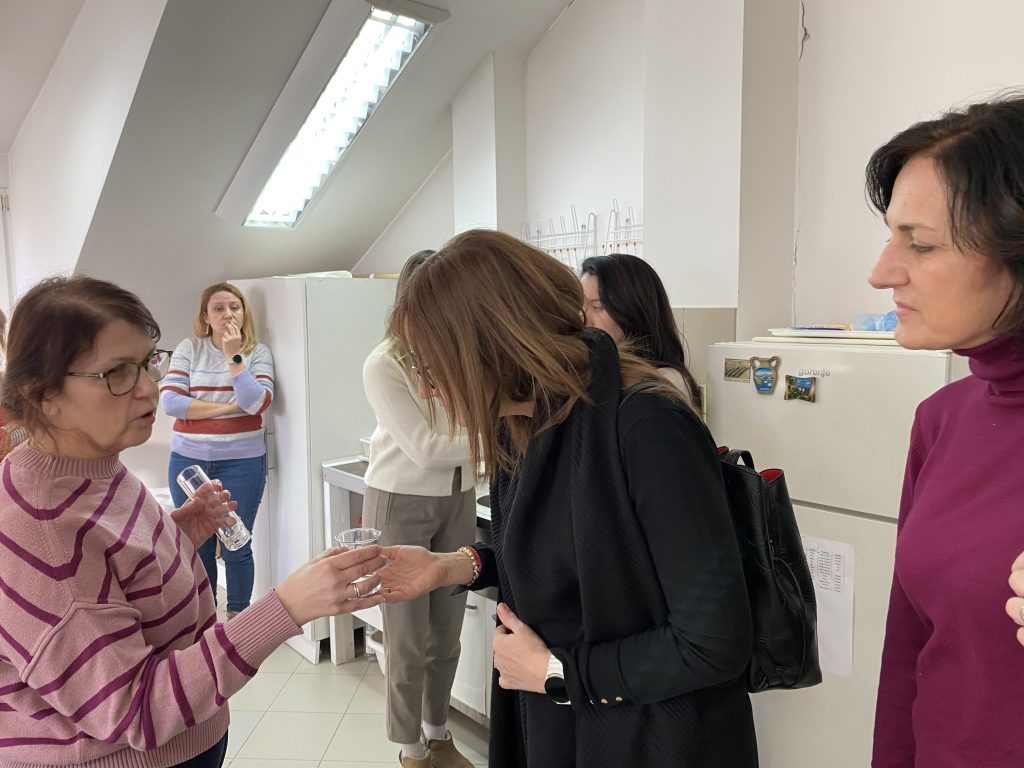
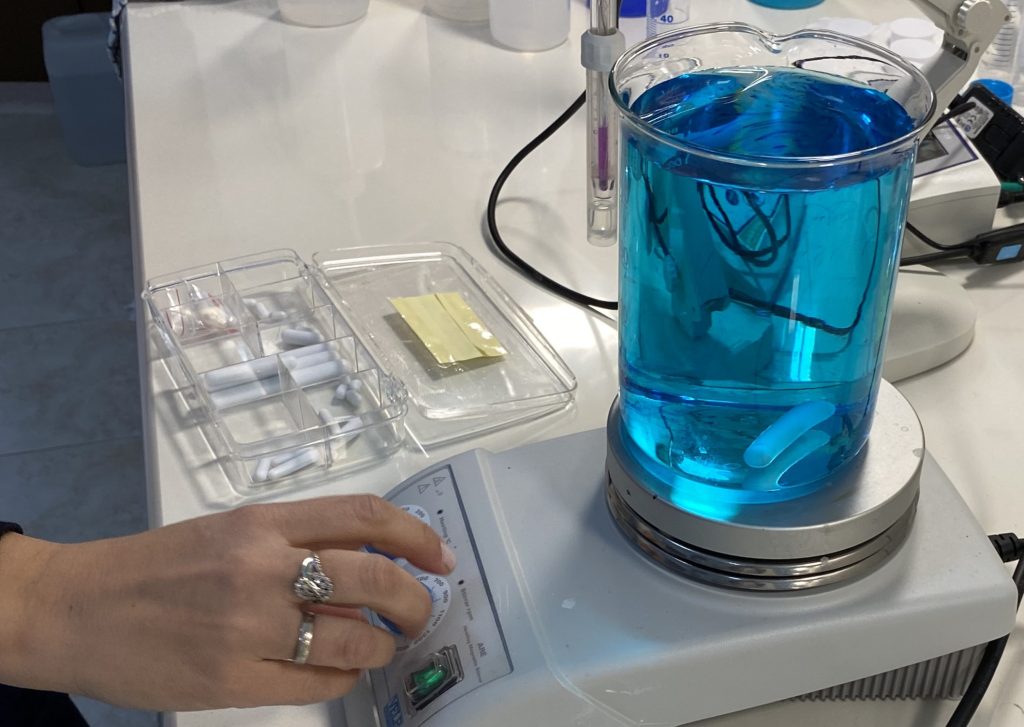
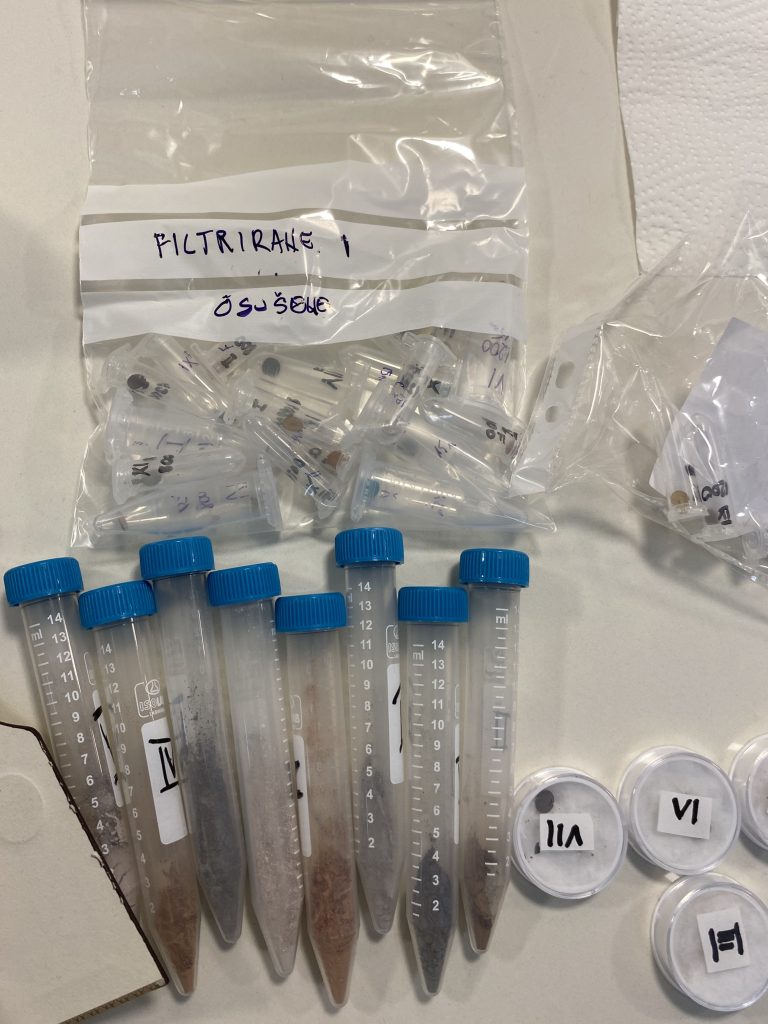
As part of the visit, the project team toured the laboratories of the CONVINCE Centre, where advanced activities related to mechanochemical material synthesis and modification, thermodynamic and kinetic research, theoretical modelling, and physico-chemical characterisation of materials are conducted. The visit contributed to consolidating project results and identifying future research directions, building on the outcomes of the CLAYCATCH project.


CLAYCATCH at the Sixth International Symposium
in Montenegro
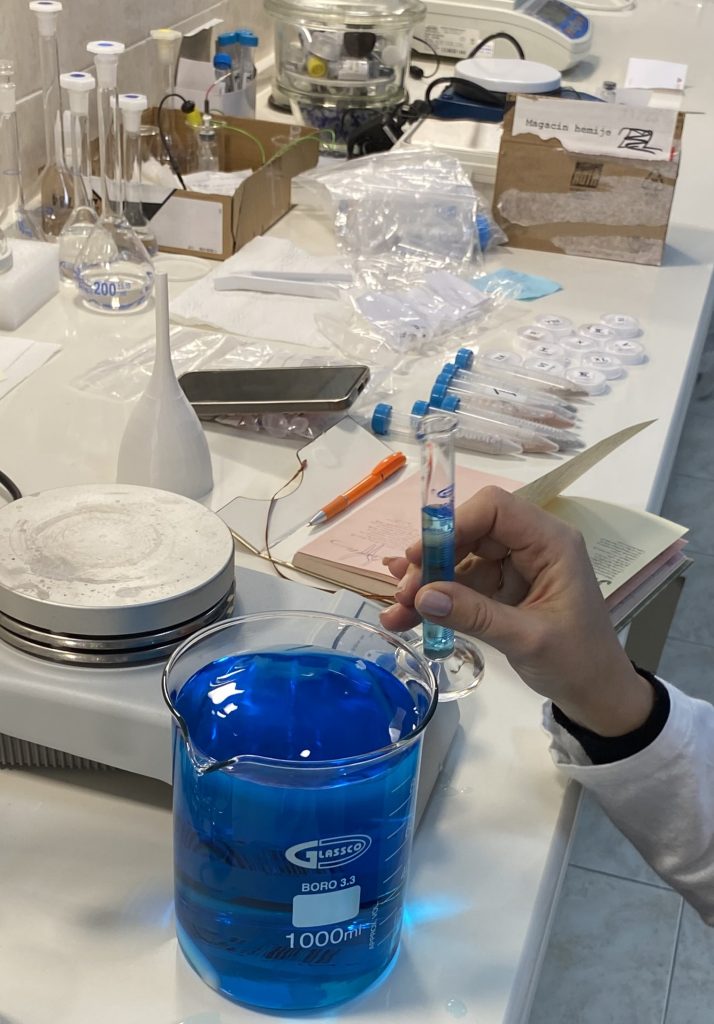
The results of the CLAYCATCH project were presented at the Sixth International Symposium on Corrosion and Materials Protection, Environmental Protection, and Protection Against Fire, held in Bar (Montenegro) from September 23rd to 26th, 2025. The event provided an opportunity to share the results of research conducted within the scope of the CLAYCATCH project. On behalf of the research team, Emina Međedović has presented the paper titled “ZnO-Doped Mechanochemically Activated Pyrophyllite as a Novel Adsorbent for Dye Removal from Wastewater” in the poster session evaluating the potential of pyrophyllite-based adsorbents for dye removal from wastewater. She has given the results of characterising nanocomposites obtained by mechanochemical modification of pyrophyllite and doping with 2 wt% ZnO. The findings indicate that mechanochemically modified pyrophyllite exhibits stable performance over the long term. On the other hand, a nanocomposite obtained by ZnO-doping of the pyrophyllite delivers faster and stronger results when short-term efficiency is most important. Our study has shown that further optimisation of the doping process could lead to practical low-cost options for treating dye-contaminated wastewater. Claycatch project is funded by the Innovation Fund of Montenegro through the Proof of Concept Program.
Wastewater treatment
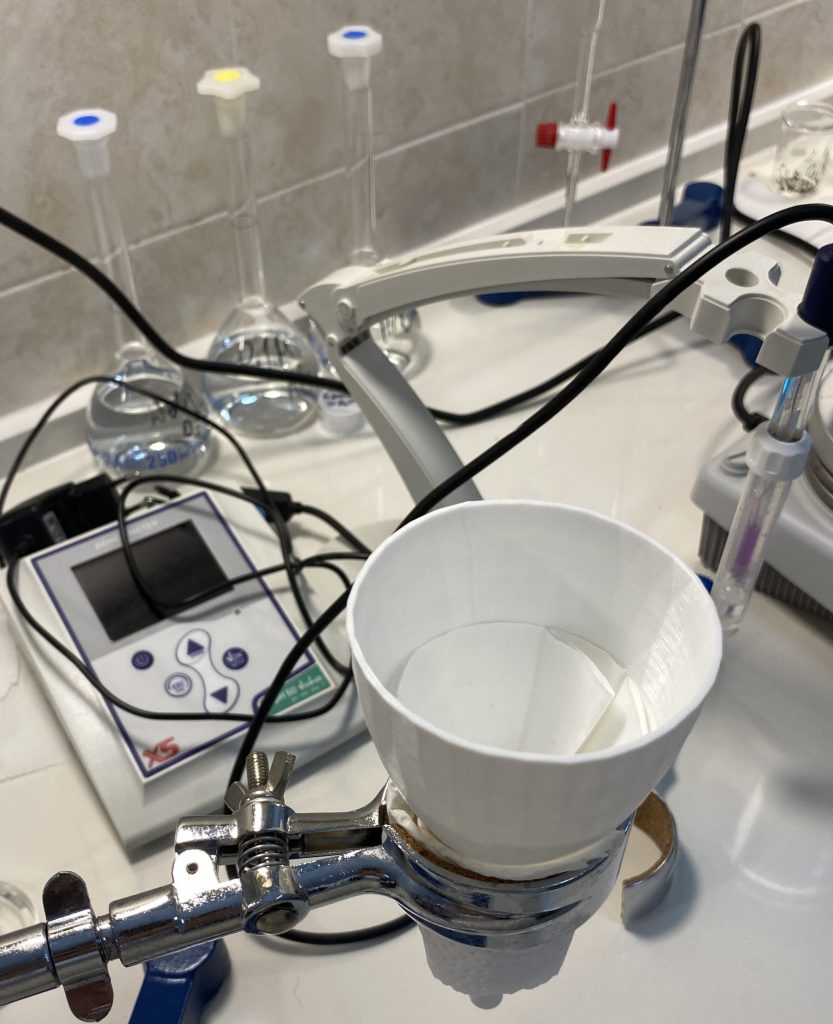
Wastewater treatment is the process of removing impurities from wastewater before it is released back into the environment or reused.
The creation and publication of this website is supported by the Innovation Fund of Montenegro. The content of this website is the responsibility of the Faculty of Metallurgy and Technology of the University of Montenegro and the presented recommendations do not reflect the position of the Innovation Fund of Montenegro.
Did You Know?
Pyrophyllite is a rare phyllosilicate mineral made up of aluminum silicate hydroxide. It is known for its diverse applications in various industries due to its exceptional properties. Pyrophyllite exhibits a layered crystal structure, a property it shares with the more commonly known mineral, talc.
Published Works
Check out interesting articles and curiosities related to the project