Work Packages
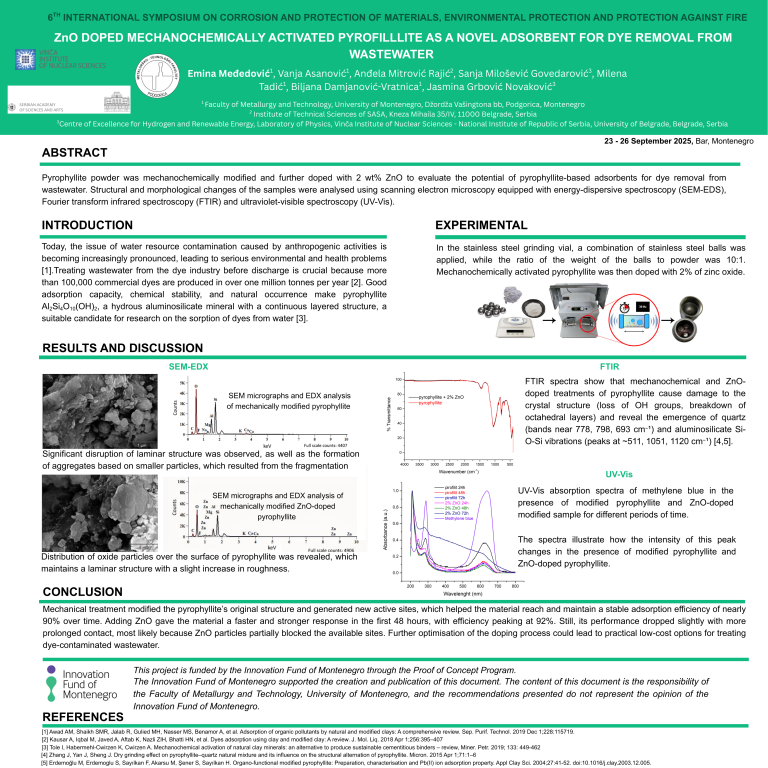
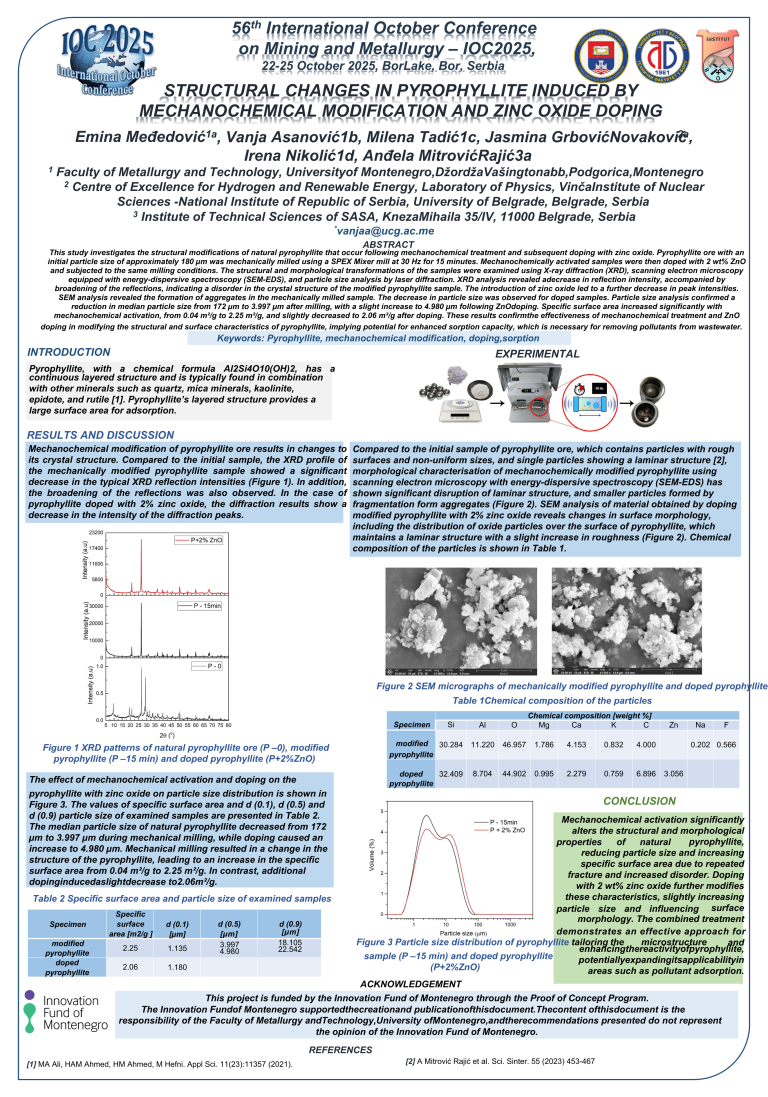
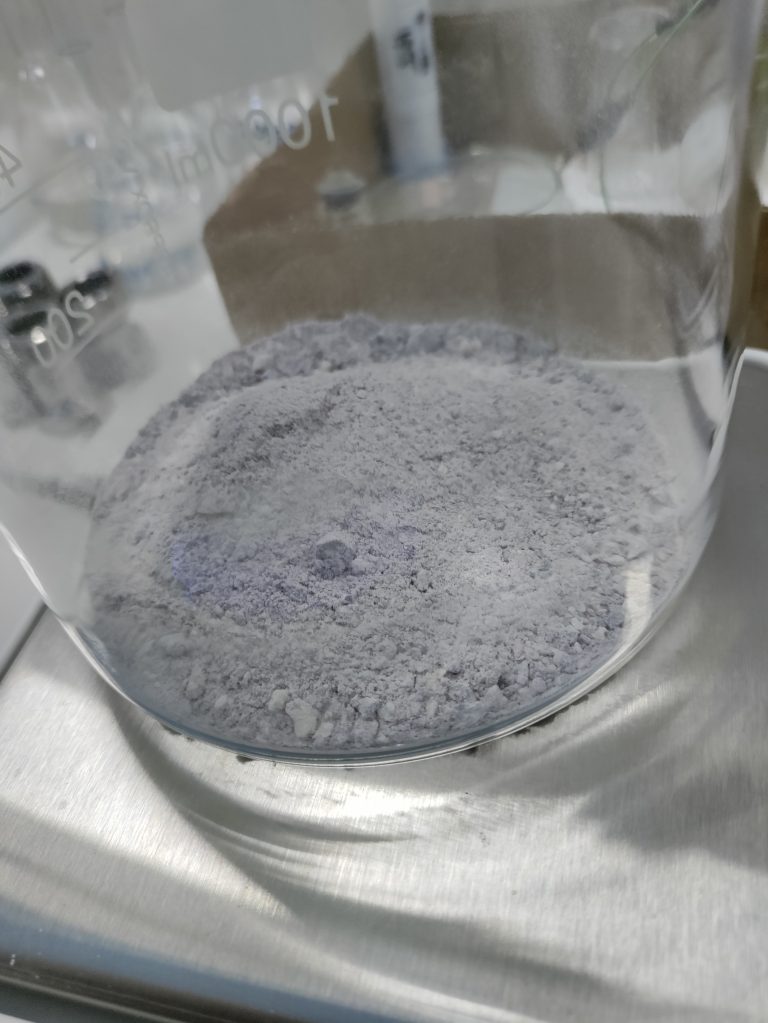
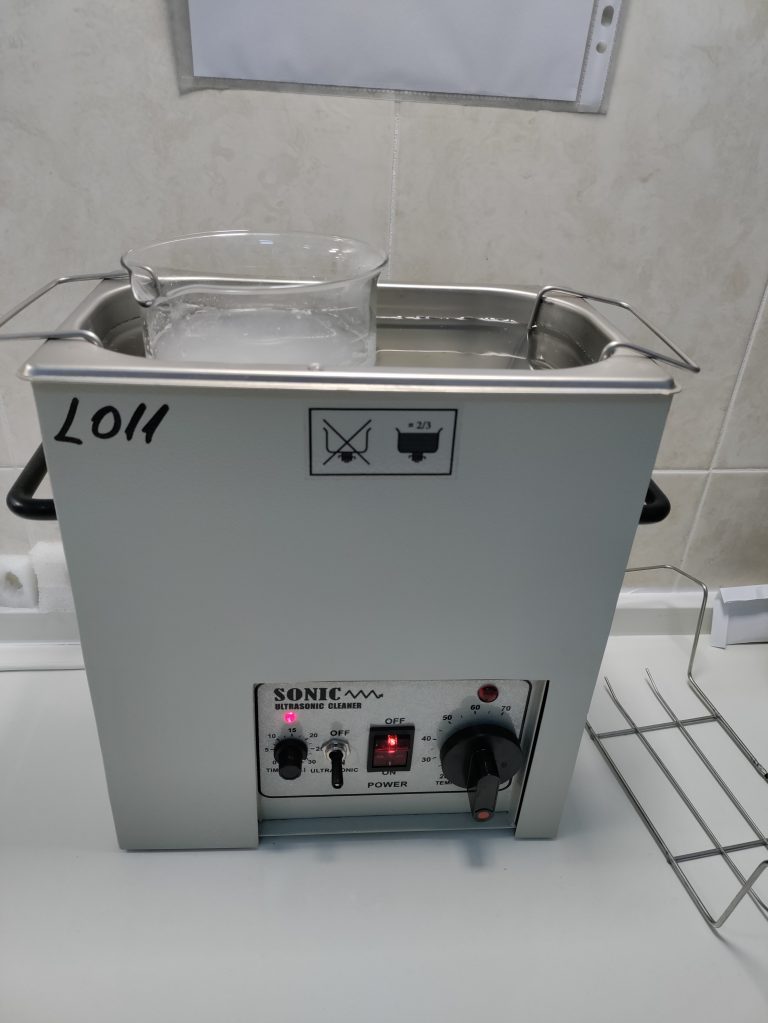
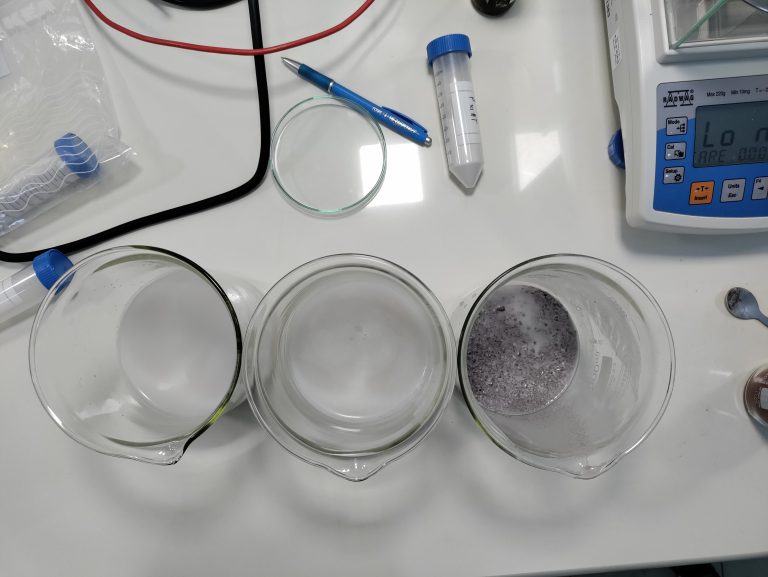
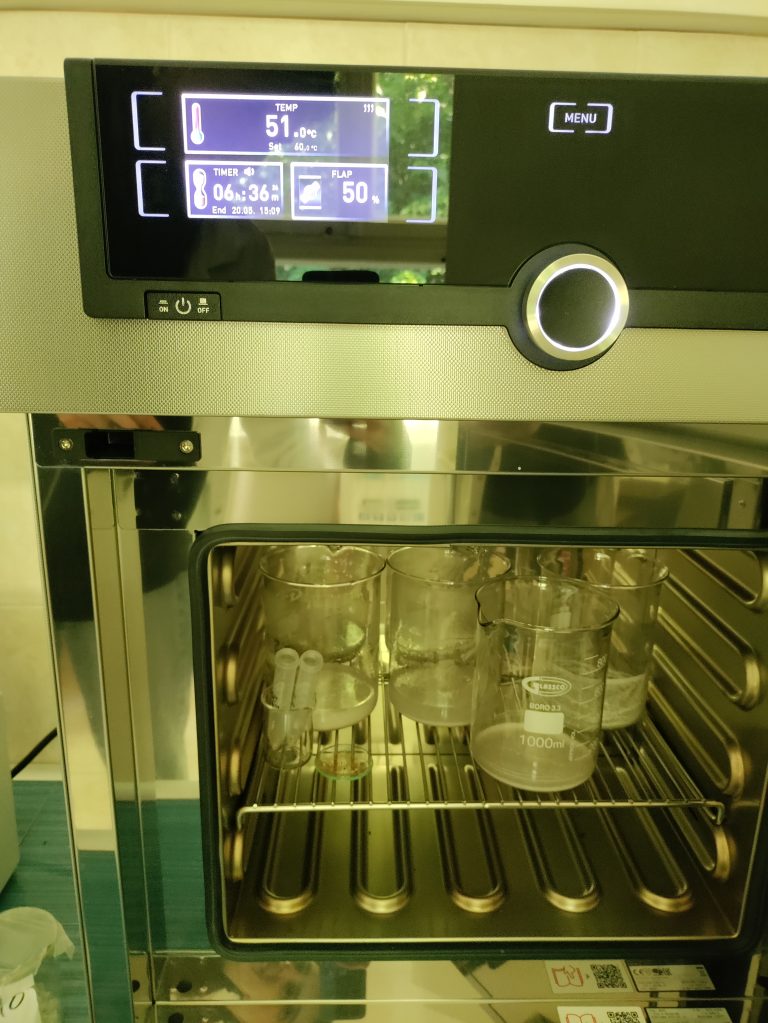
WP1: Mechanochemical Modification of Pyrophyllite
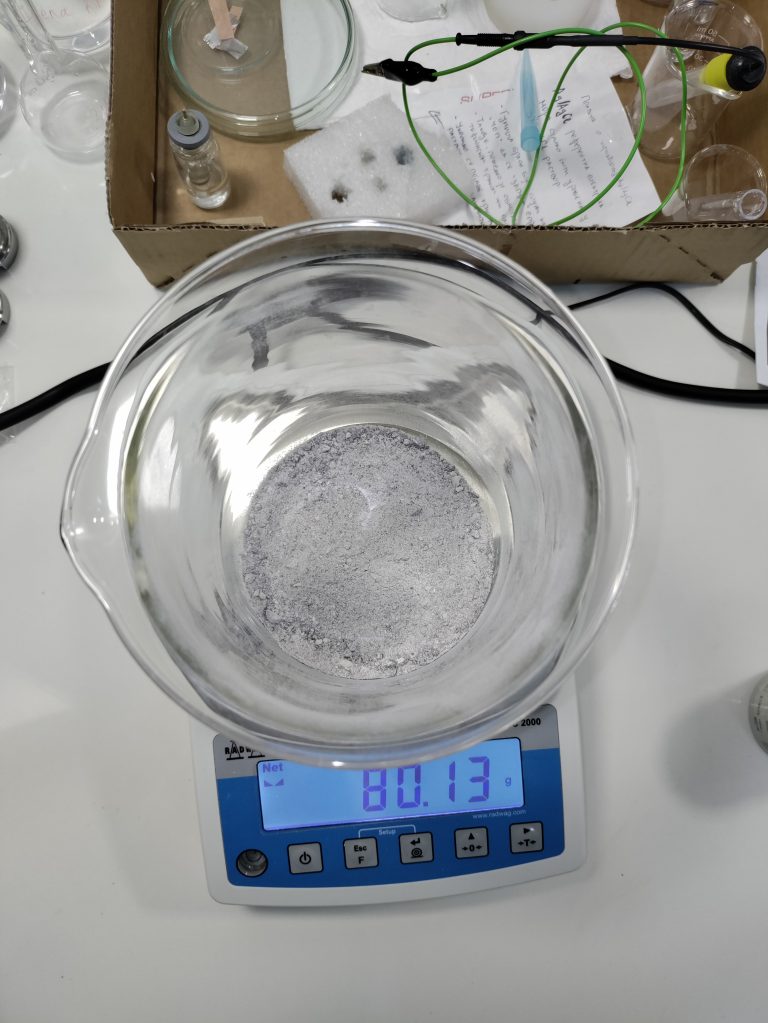
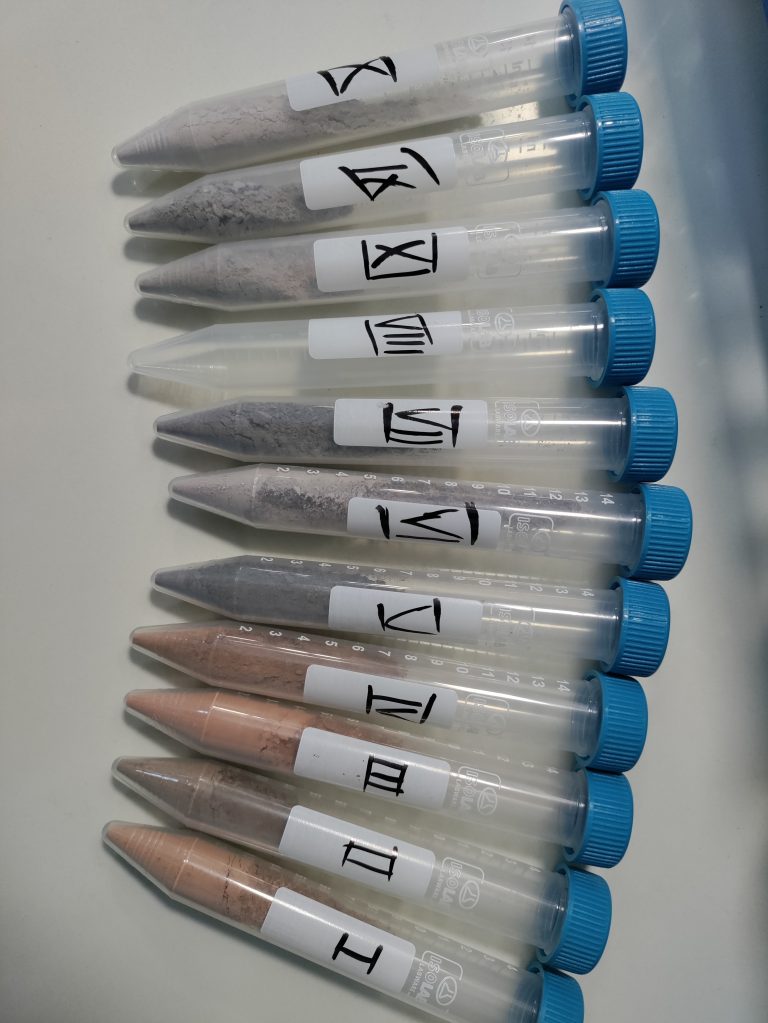
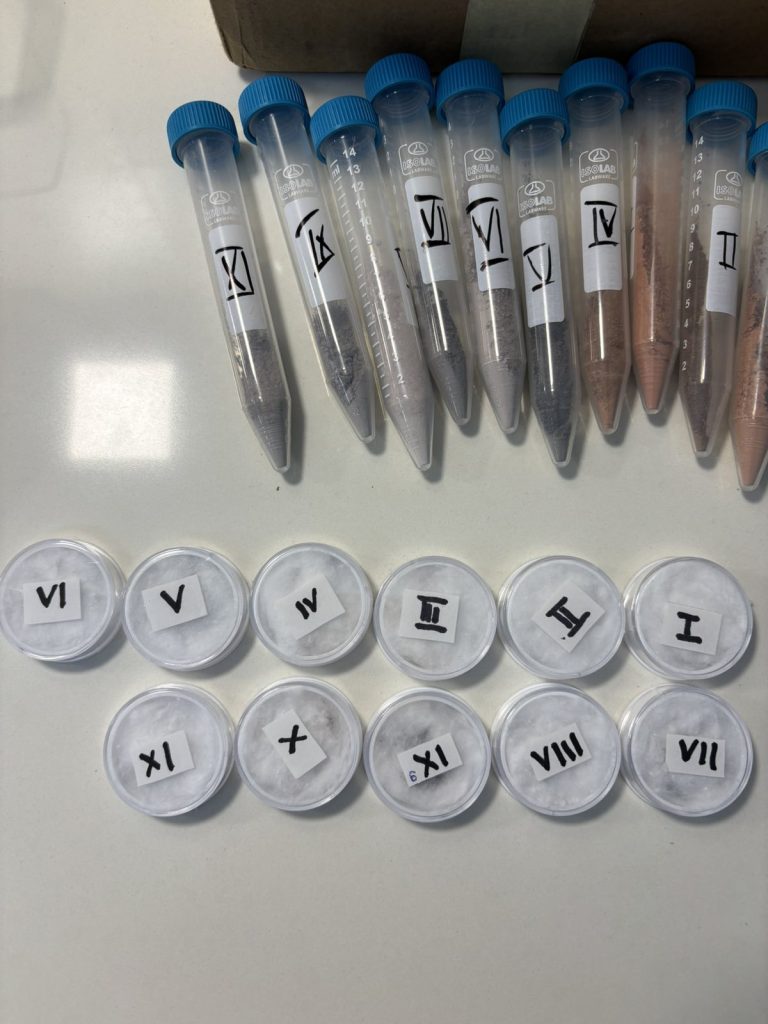
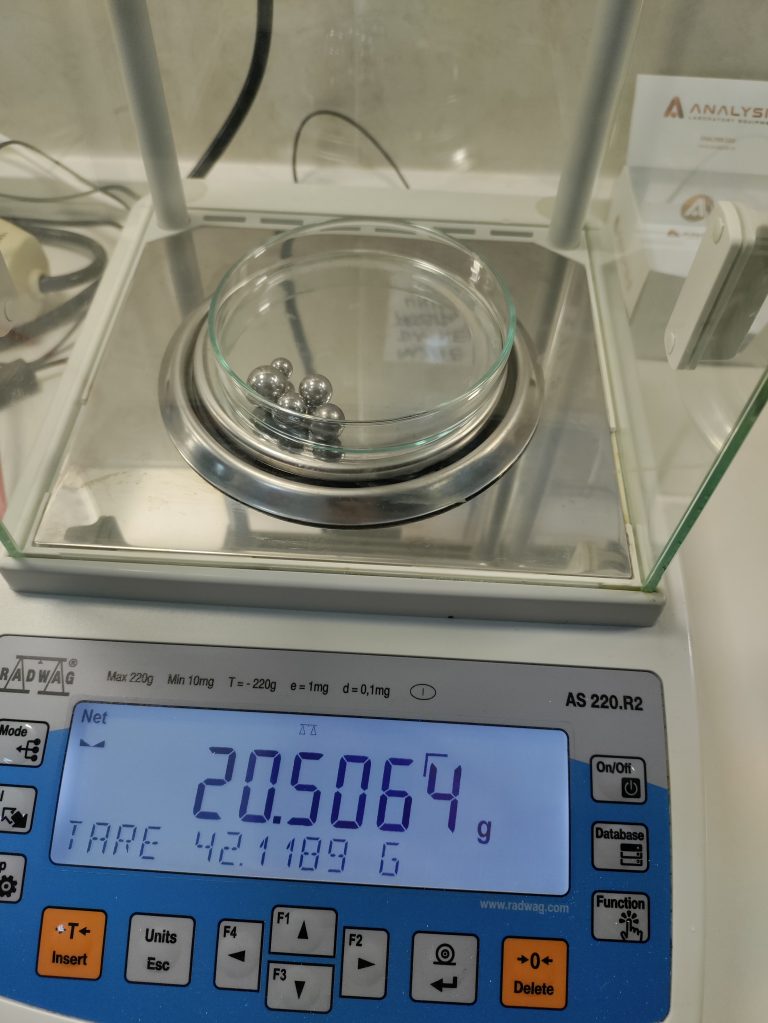
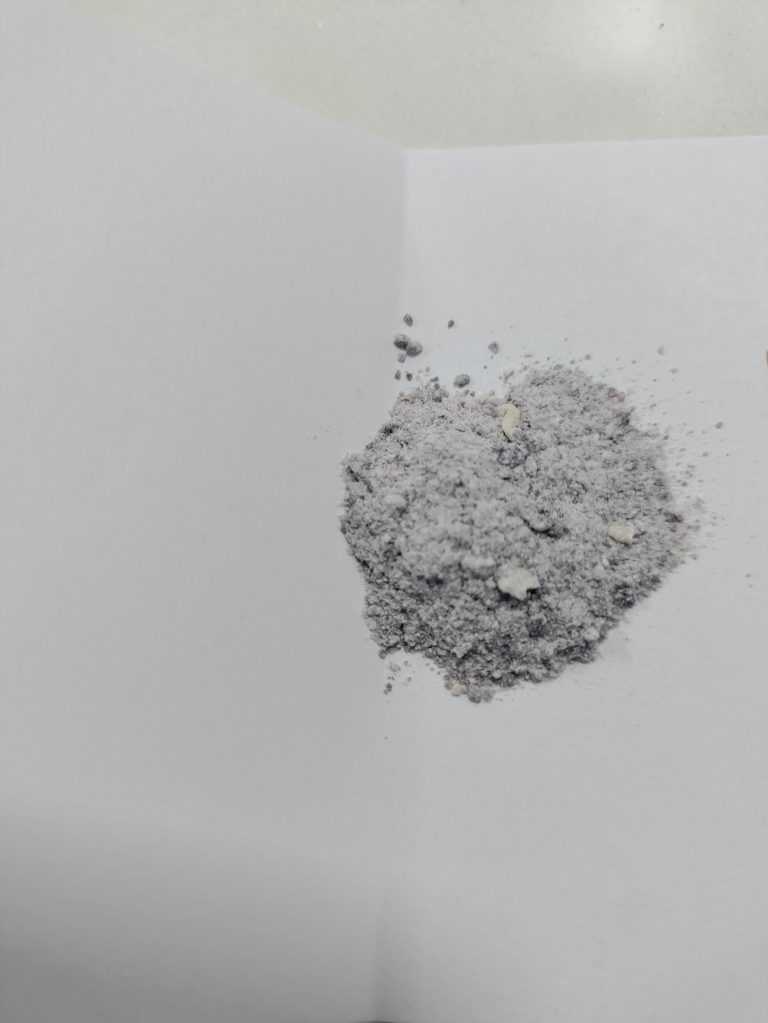
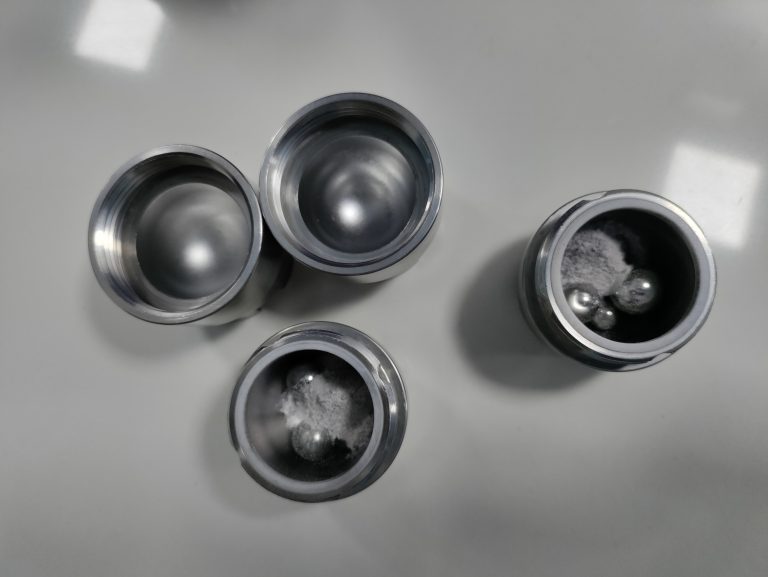
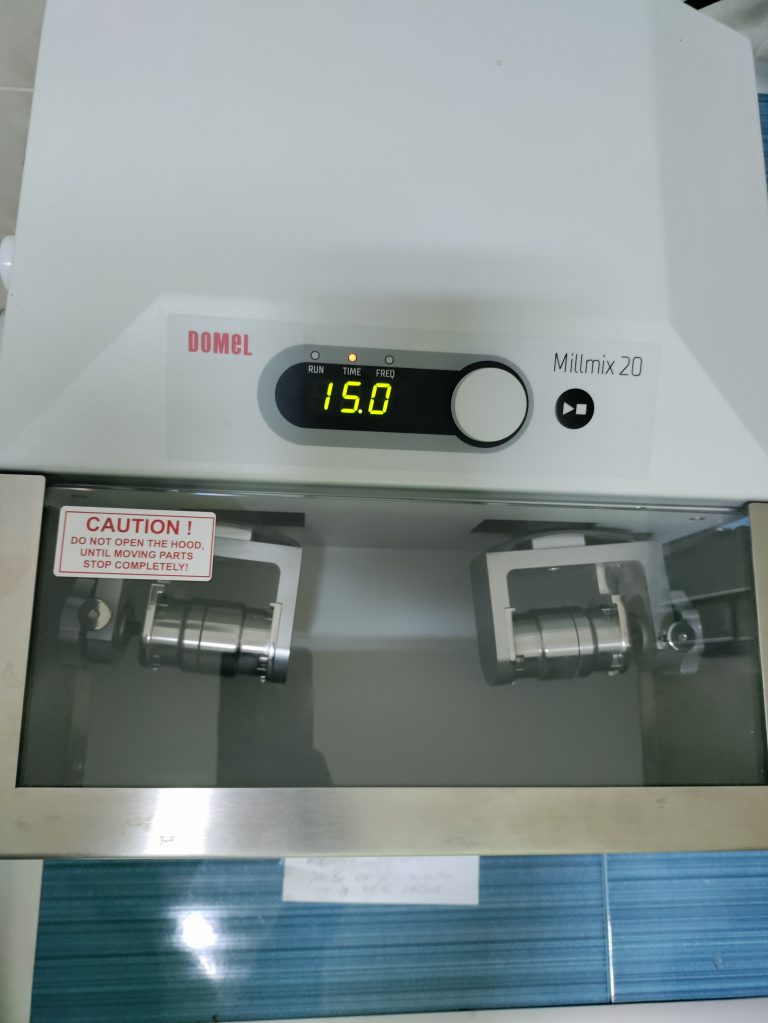
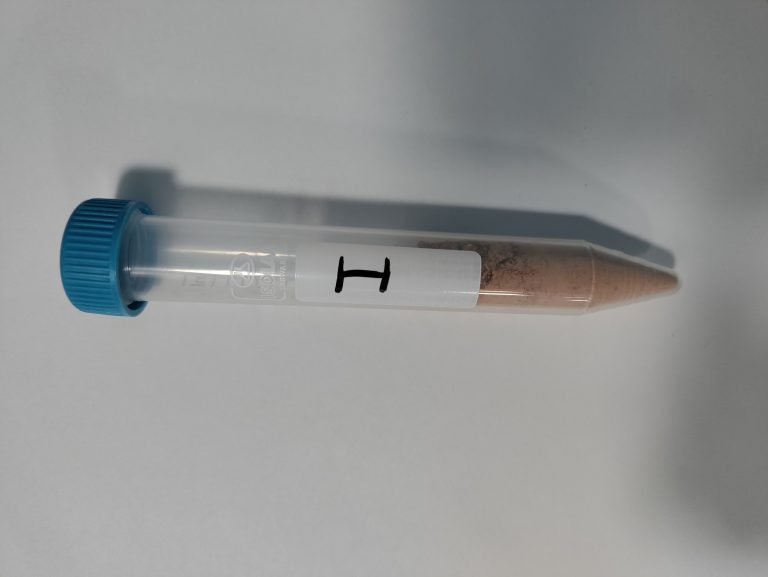
• Develop the mechanochemical protocol to alter pyrophyllite’s structure and surface area.
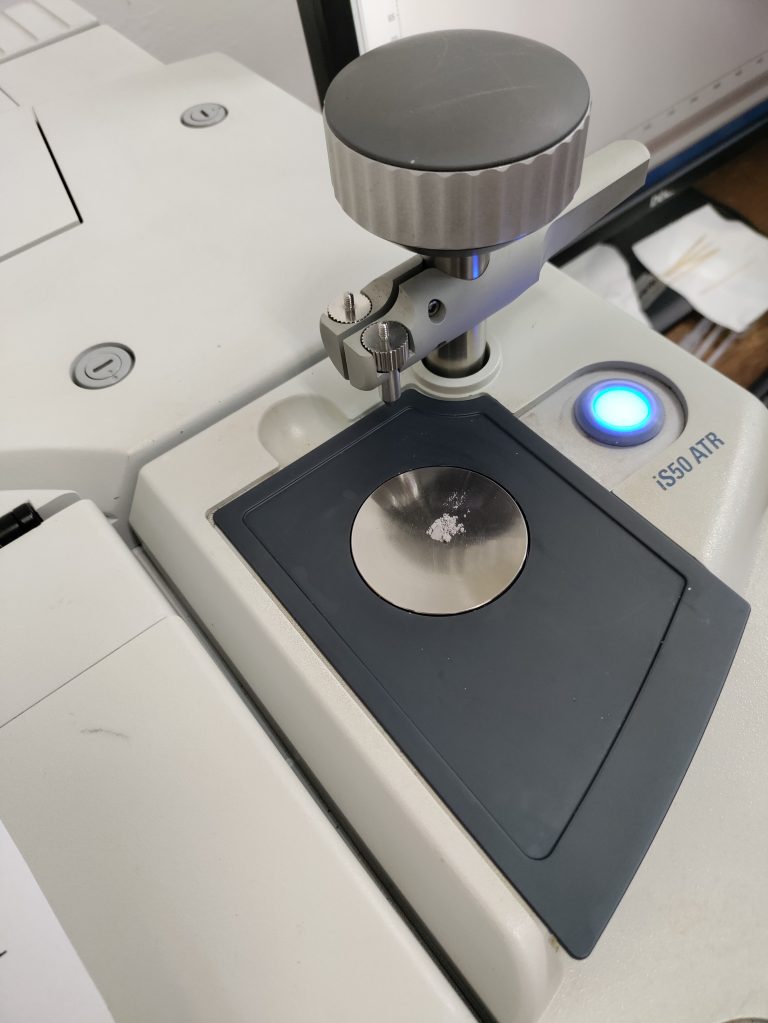
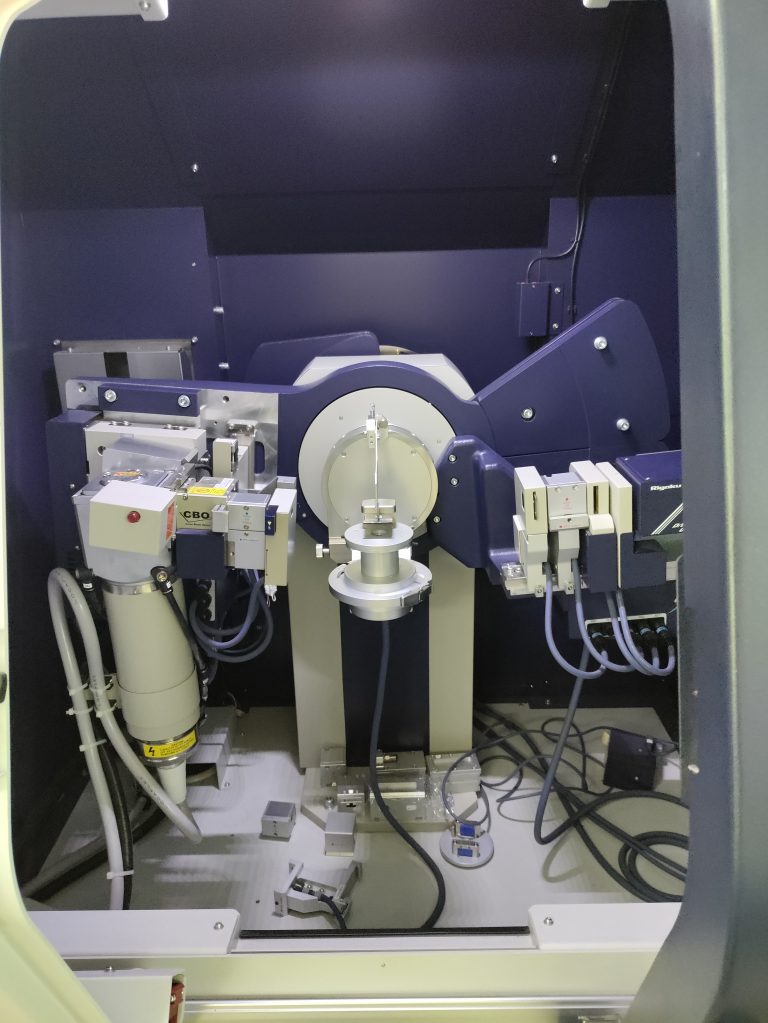
• Characterise the modified pyrophyllite using X-ray diffraction (XRD), Laser Diffraction Particle Size Analysis, Fourier transform infrared spectroscopy (FTIR), Scanning Electron Microscopy (SEM), and Ultraviolet-visible spectroscopy (UV-Vis) spectroscopy.
WP2: Doping of Modified Pyrophyllite
• Select doping materials (iron, zinc, and titanium oxides).
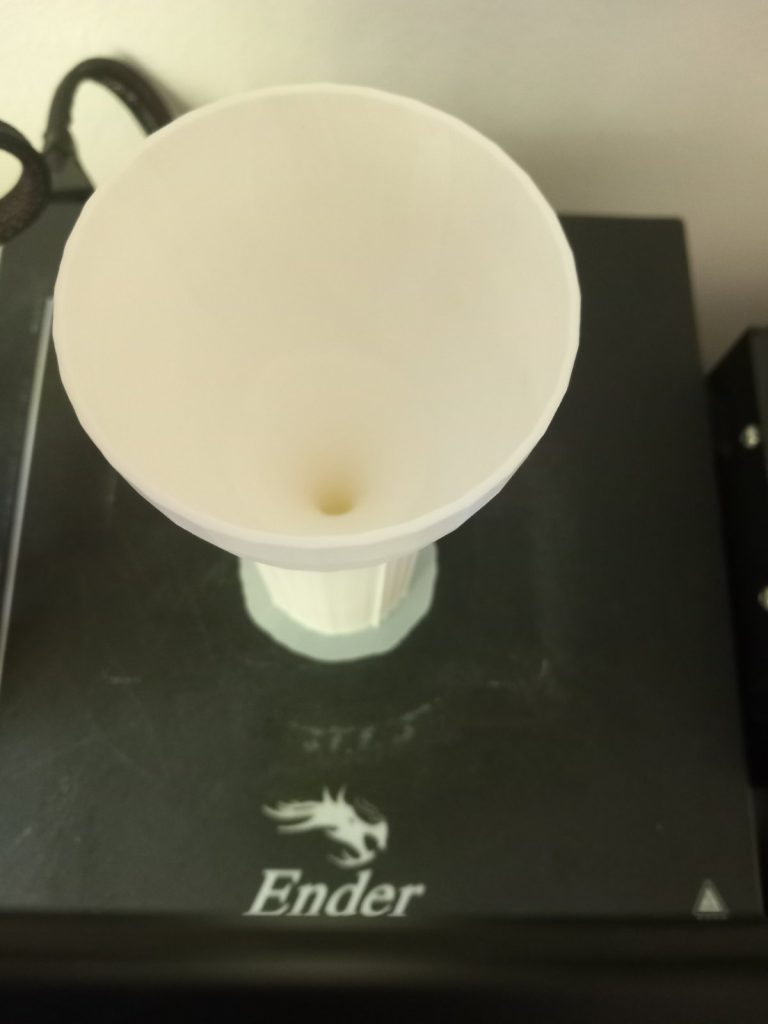
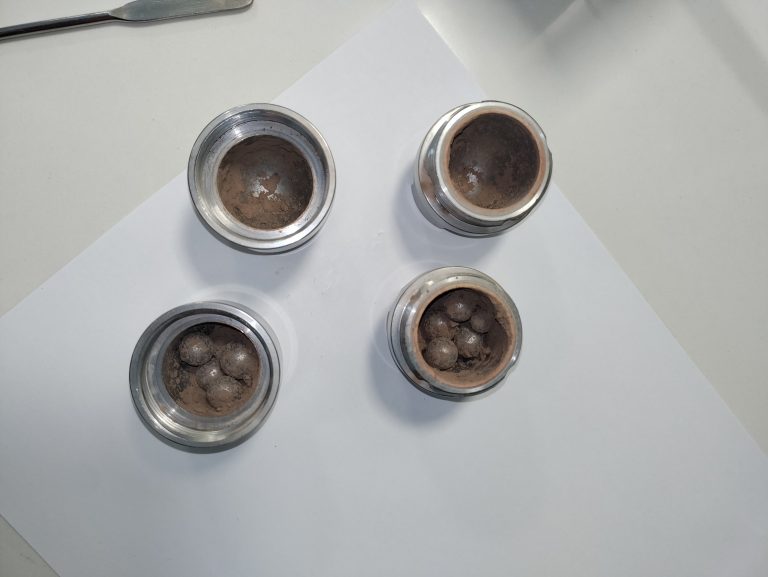
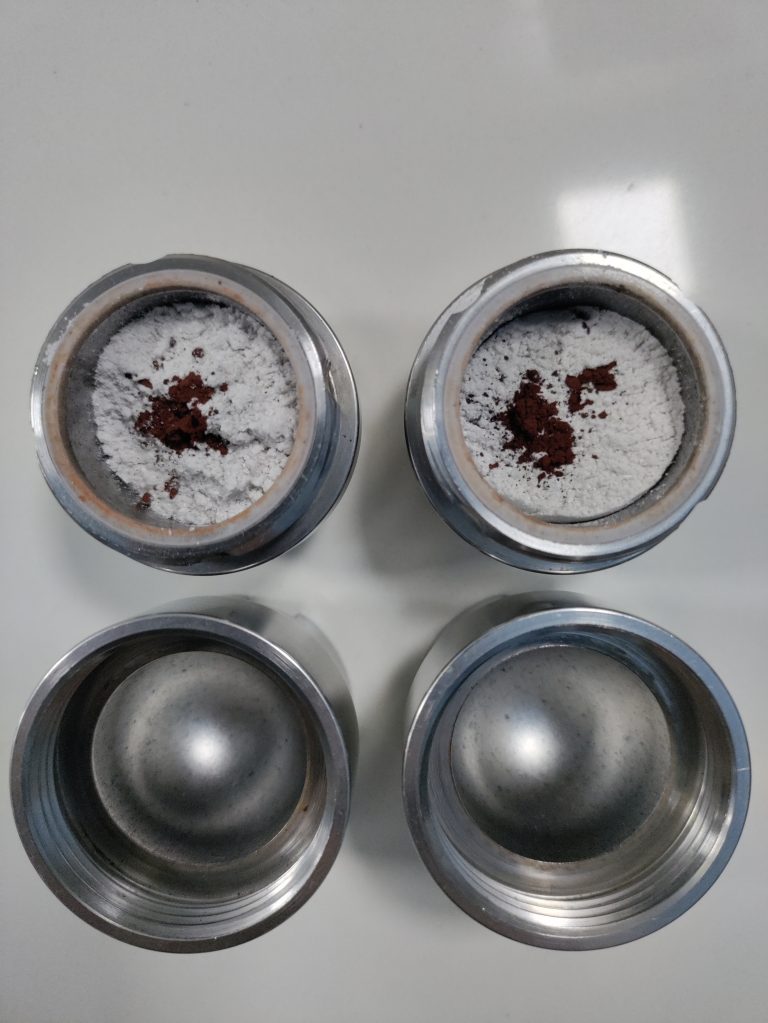
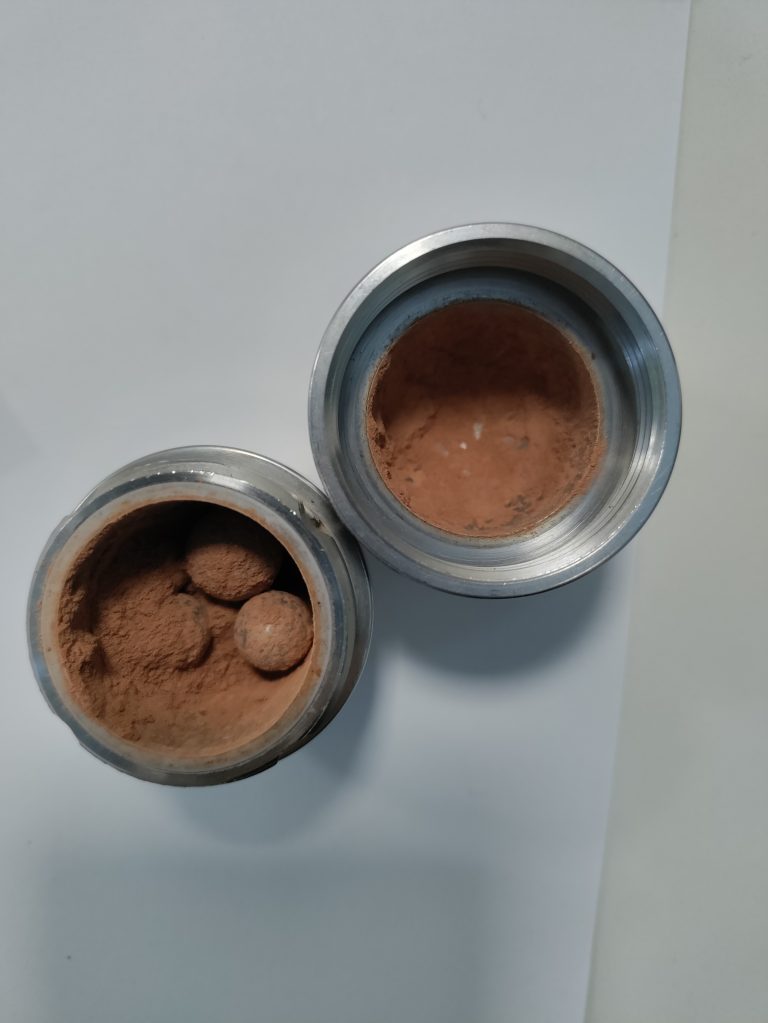
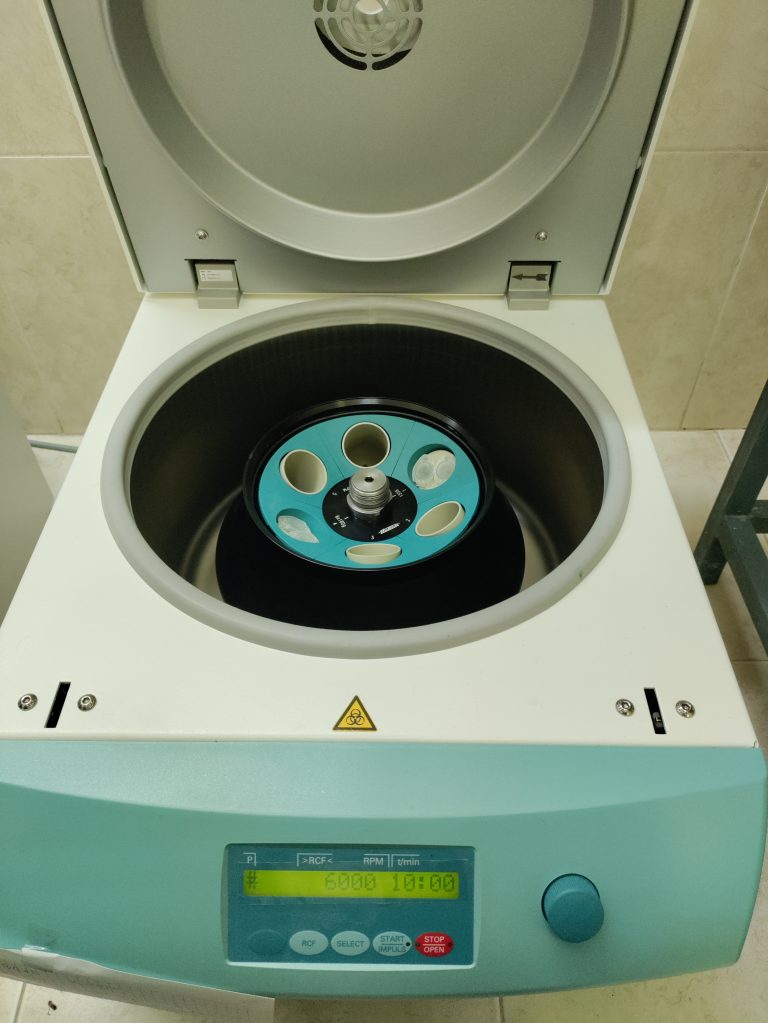
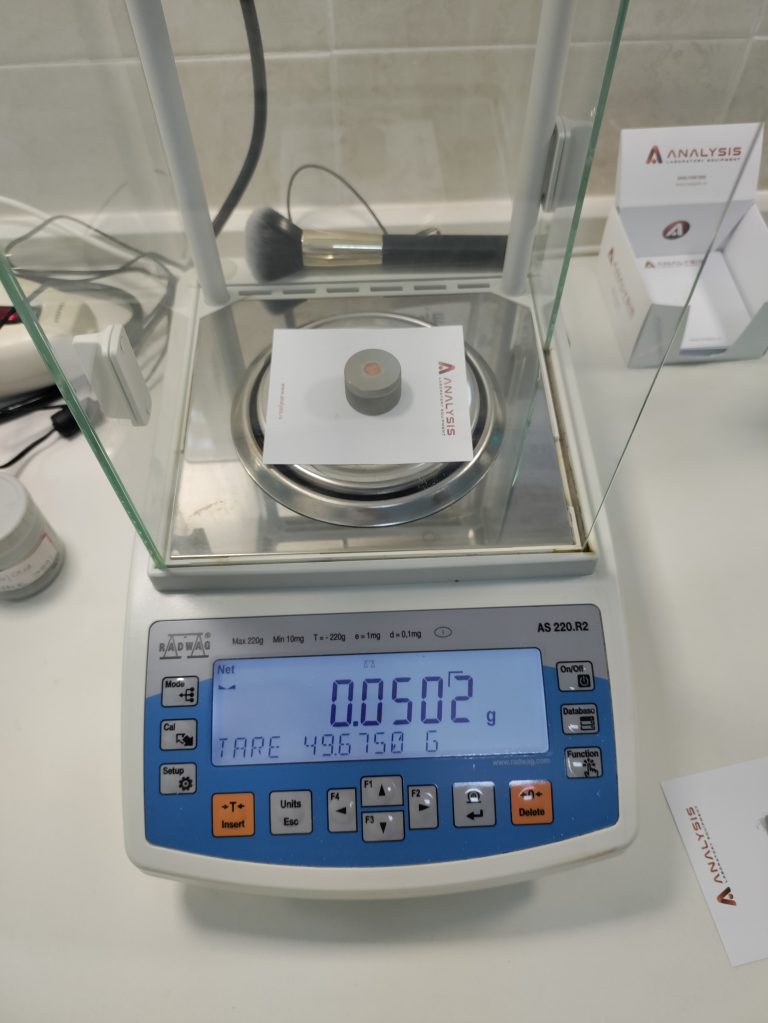
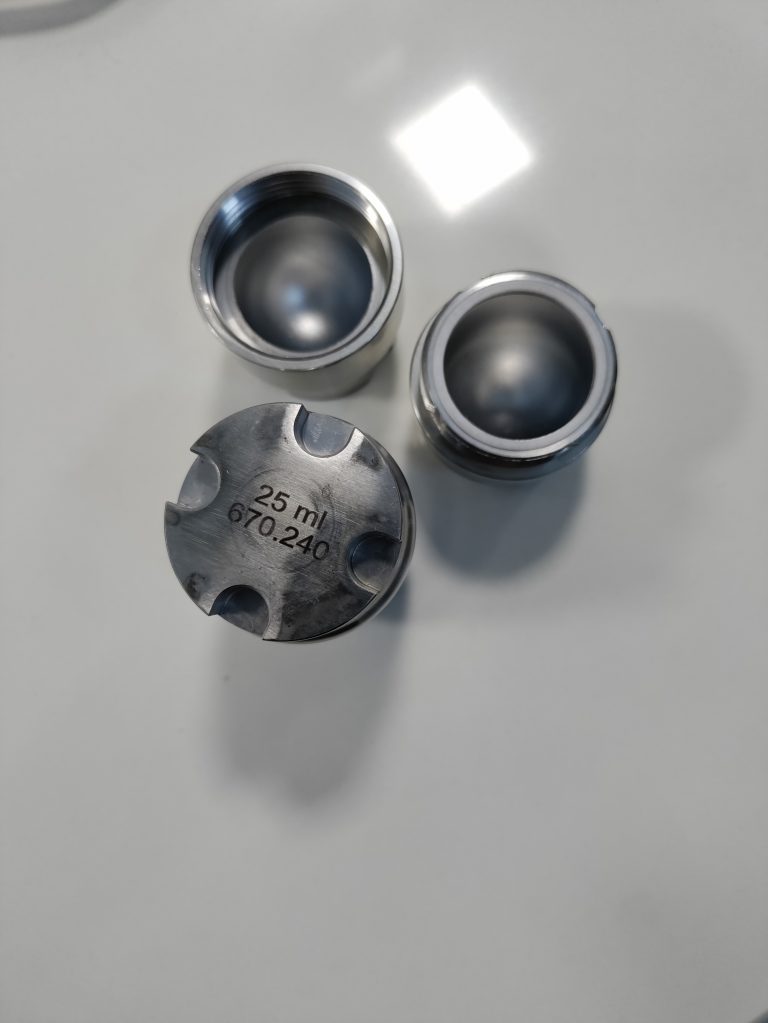
• Ball milling for mechanochemical activation and doping simultaneously to doped pyrophyllite.
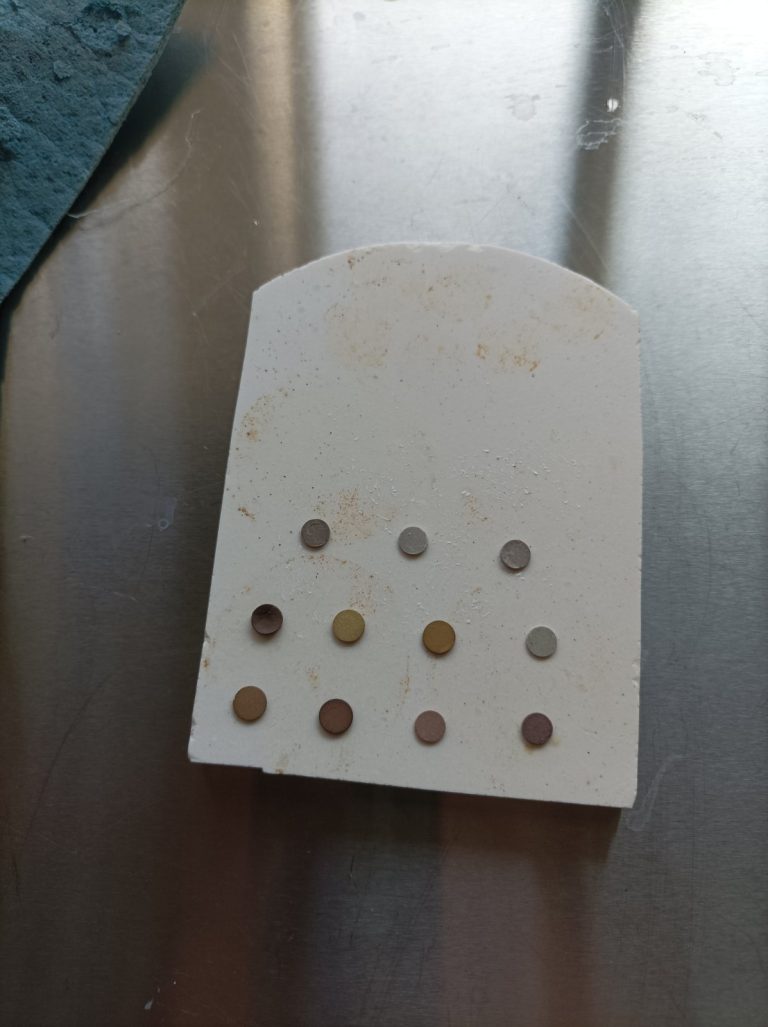
• Characterise the modified doped pyrophyllite for structural, chemical, and surface properties.
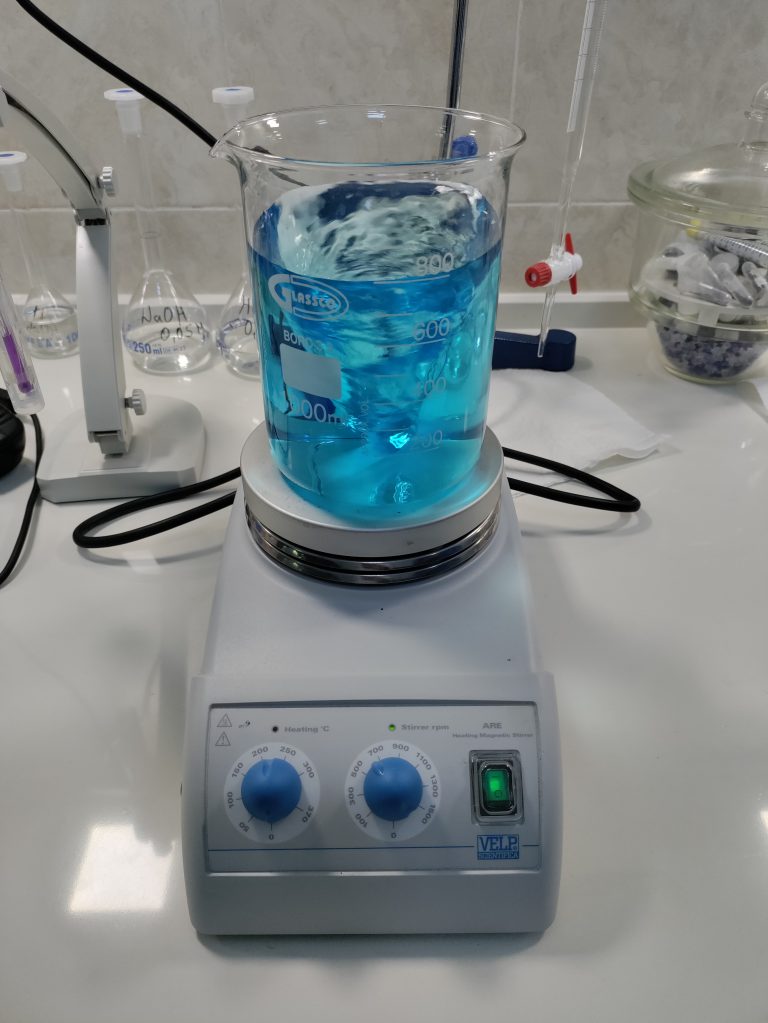
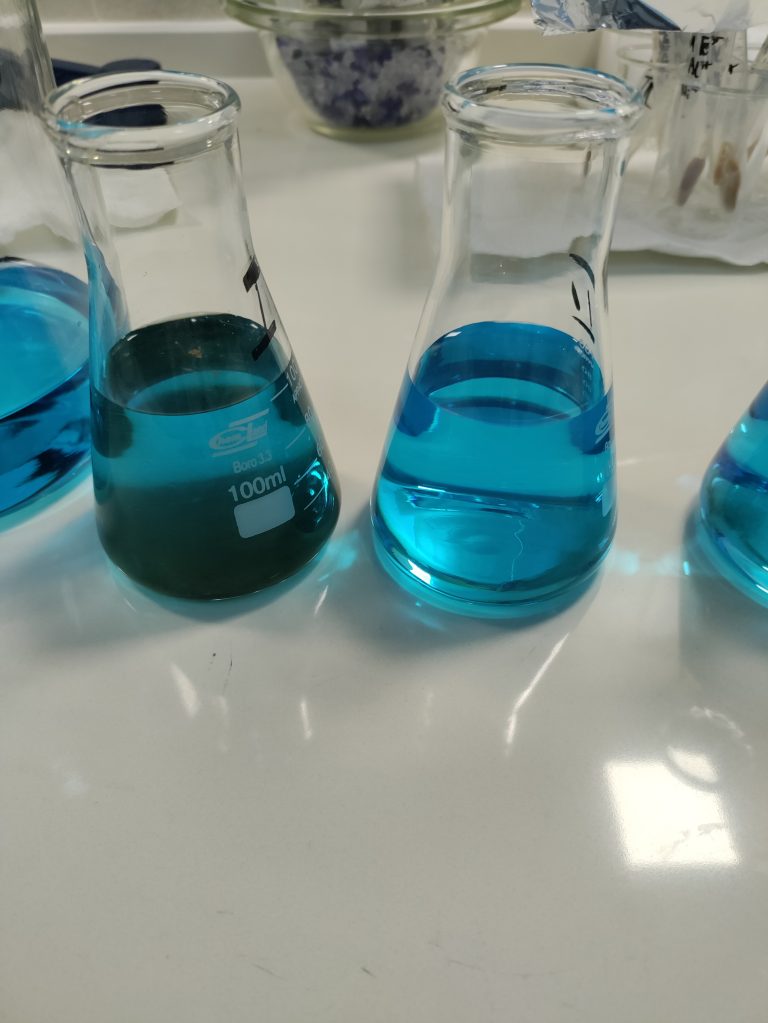
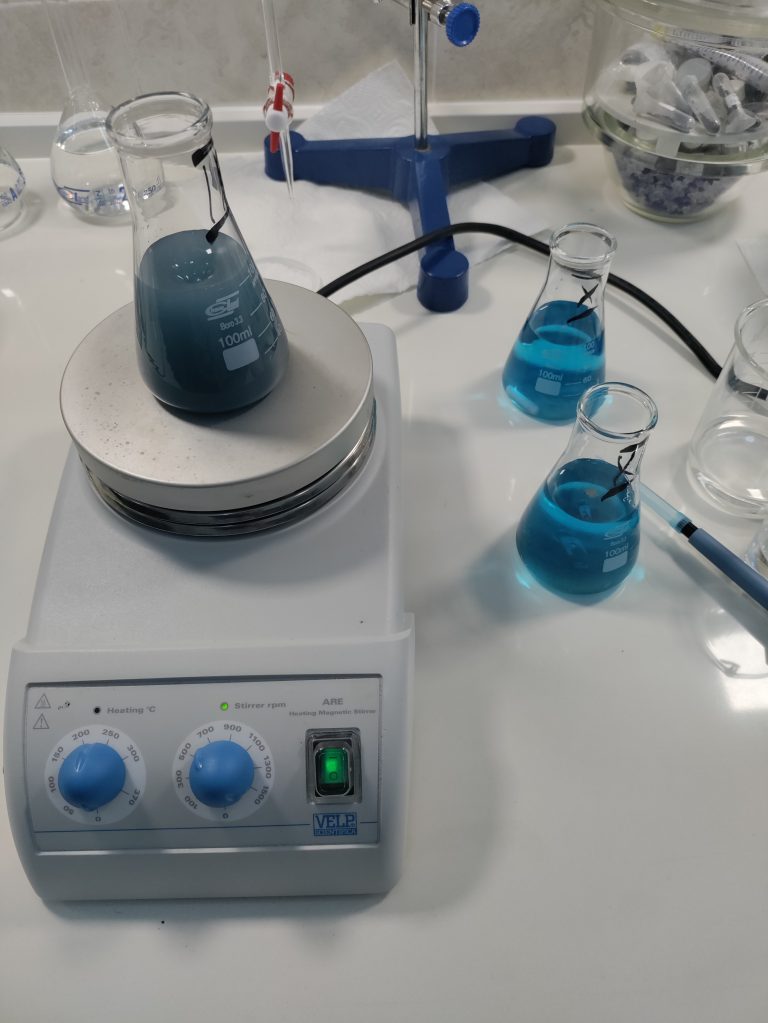
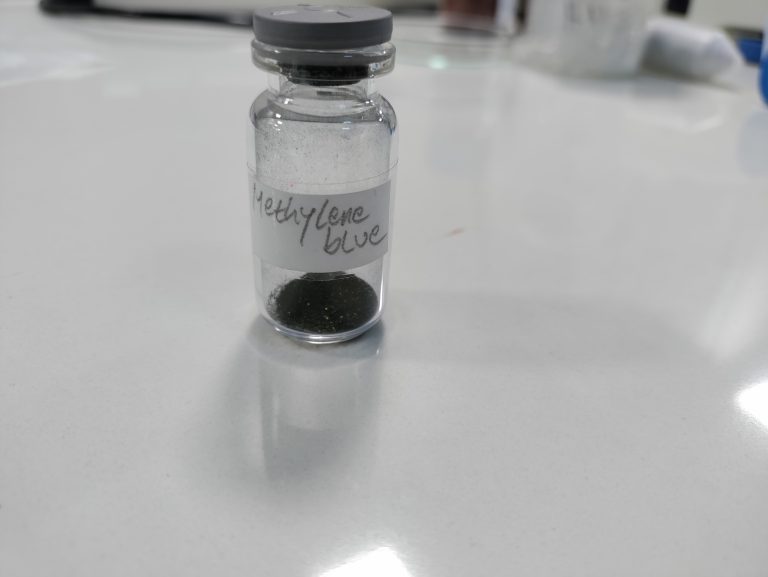
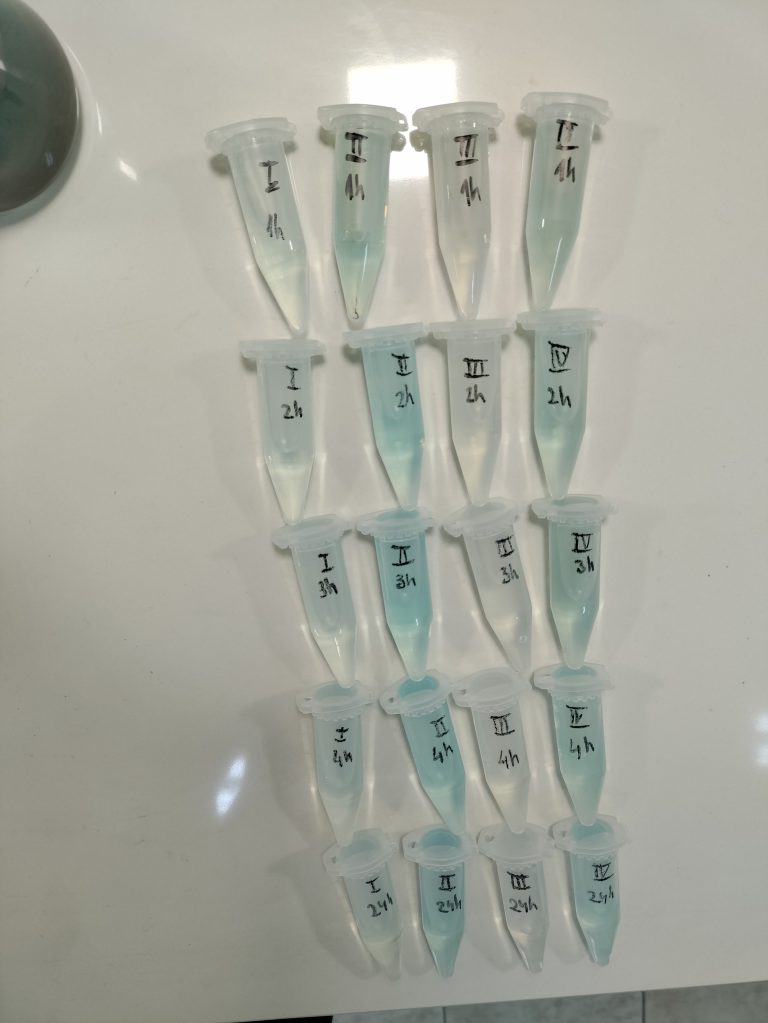
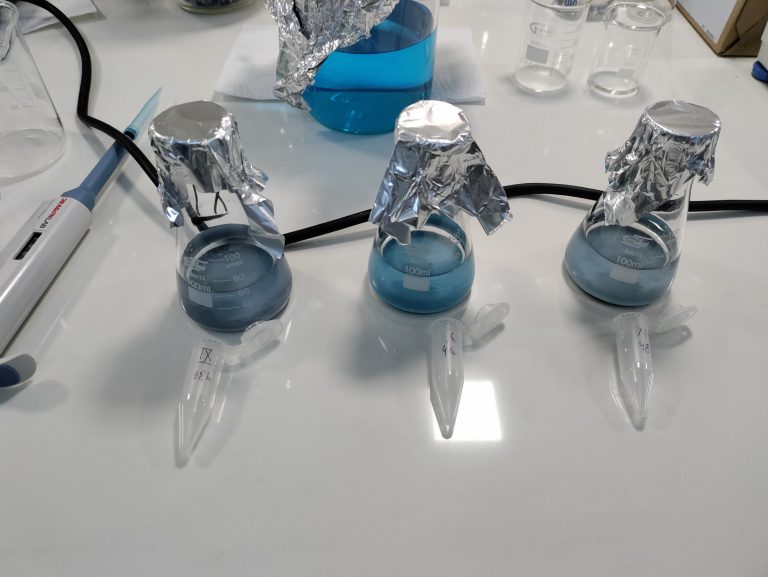
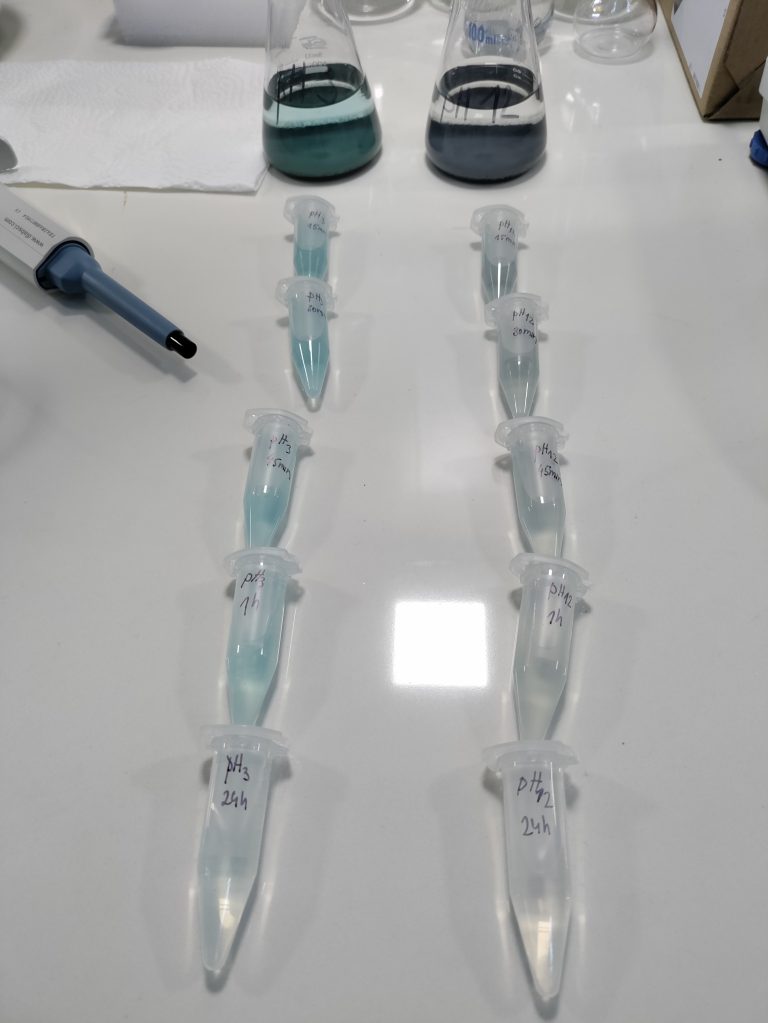
• Conduct lab-scale sorption tests using methylene blue solutions to assess the doping impact.


WP3: Sorption Studies & Optimisation
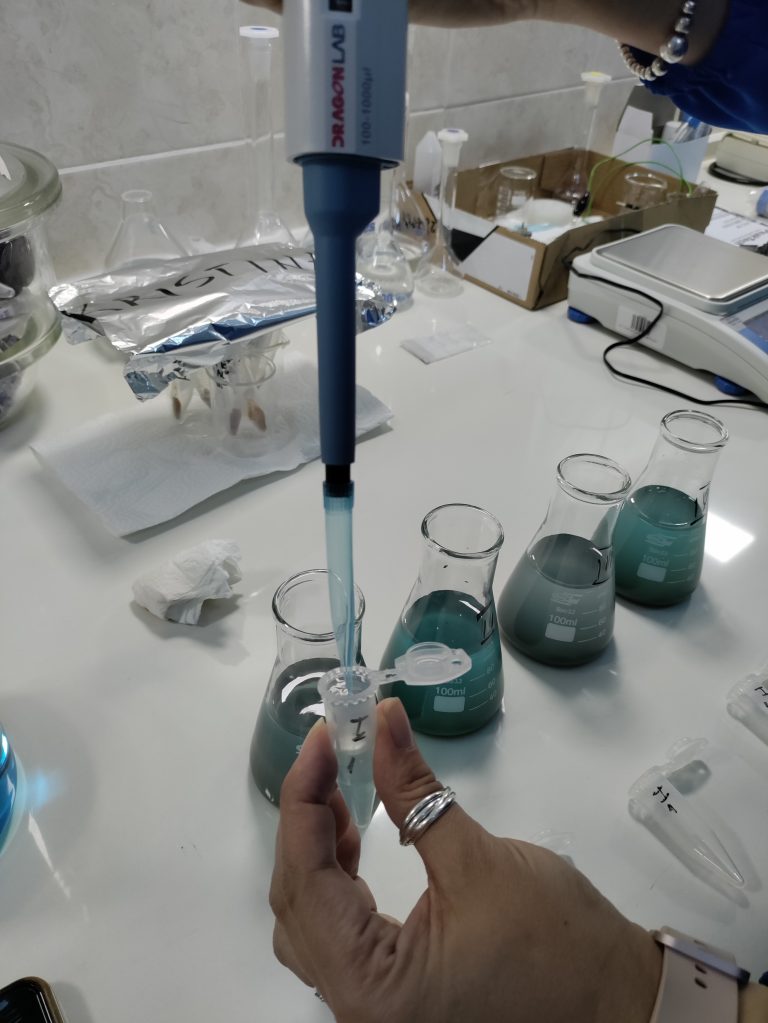
• Perform adsorption tests of methylene blue on modified and doped pyrophyllite samples.
• Evaluate the kinetic data and isotherm studies for methylene blue.
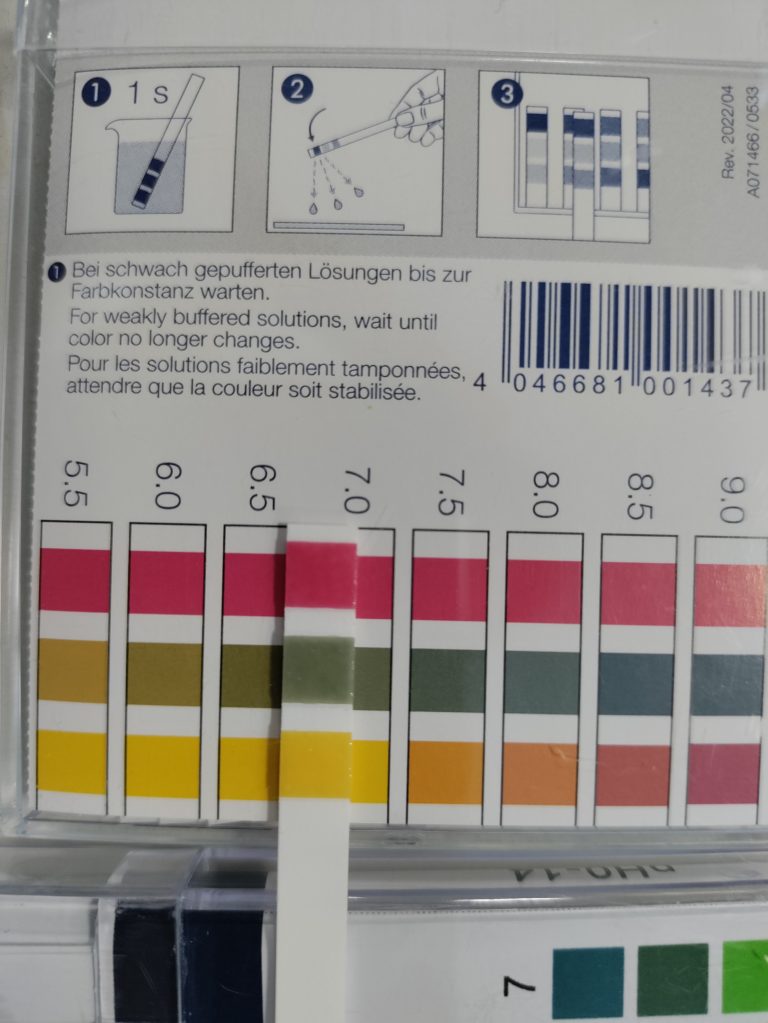
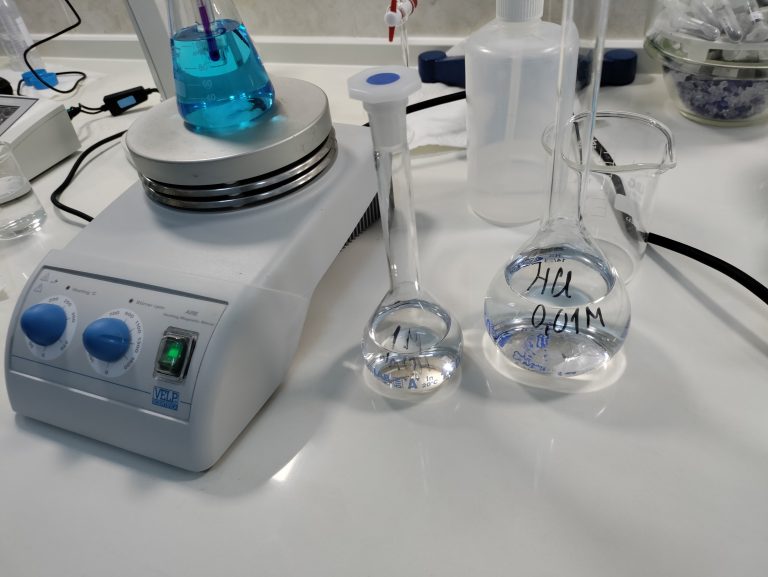
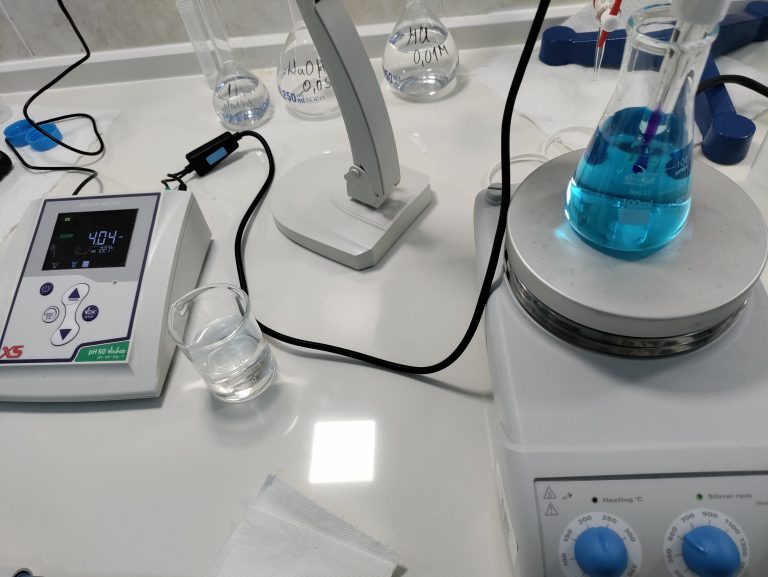
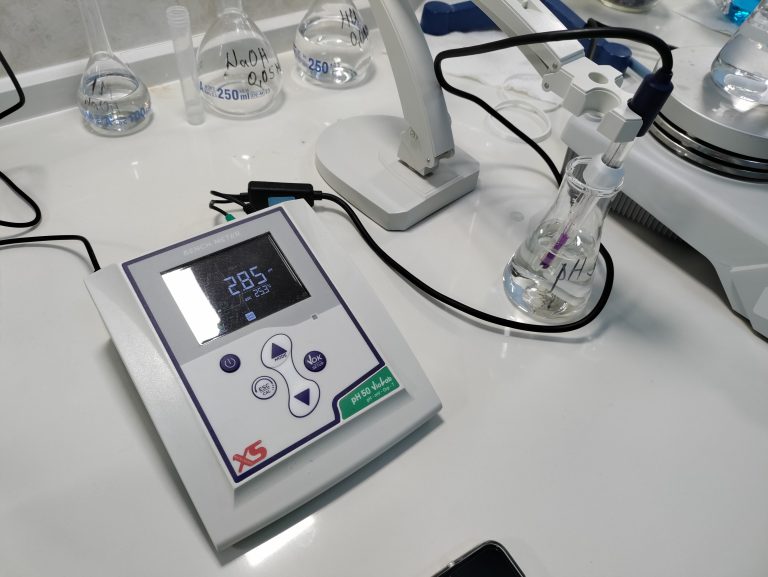
• Adsorption tests at different parameters, such as solution pH, temperature, contact time, initial dye concentration and modified and doped pyrophyllite sample dosages.
• Optimise the doped pyrophyllite based on adsorption efficiency and regeneration potential.


WP4: Design of the Filter and Pilot-Scale Testing
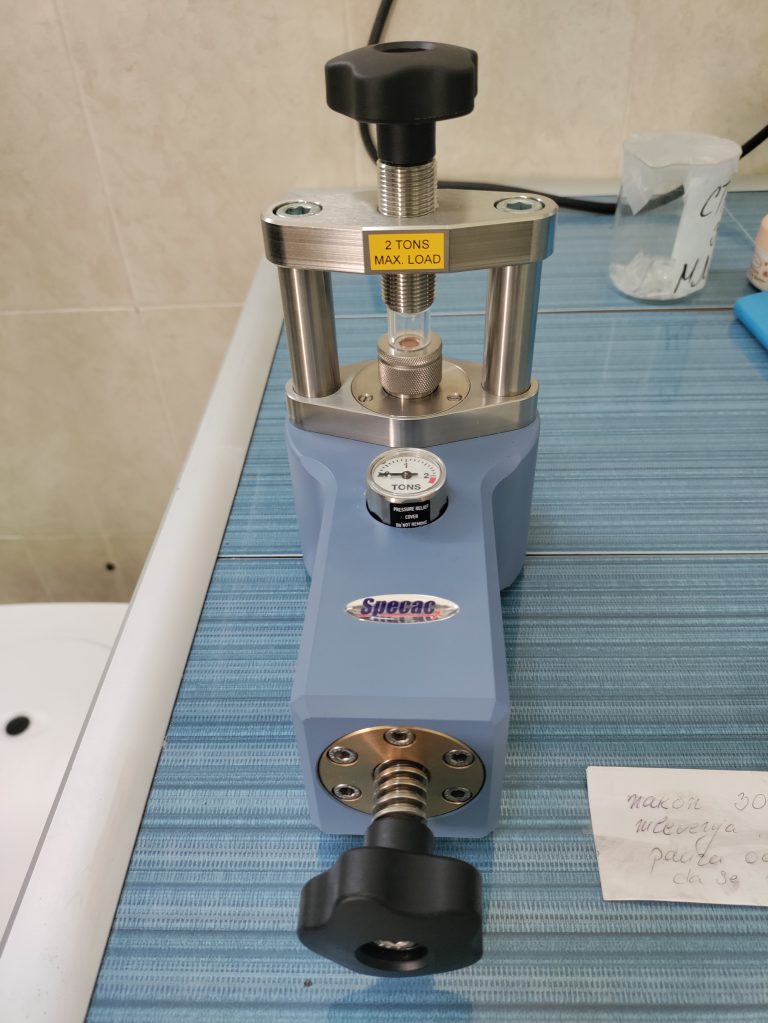
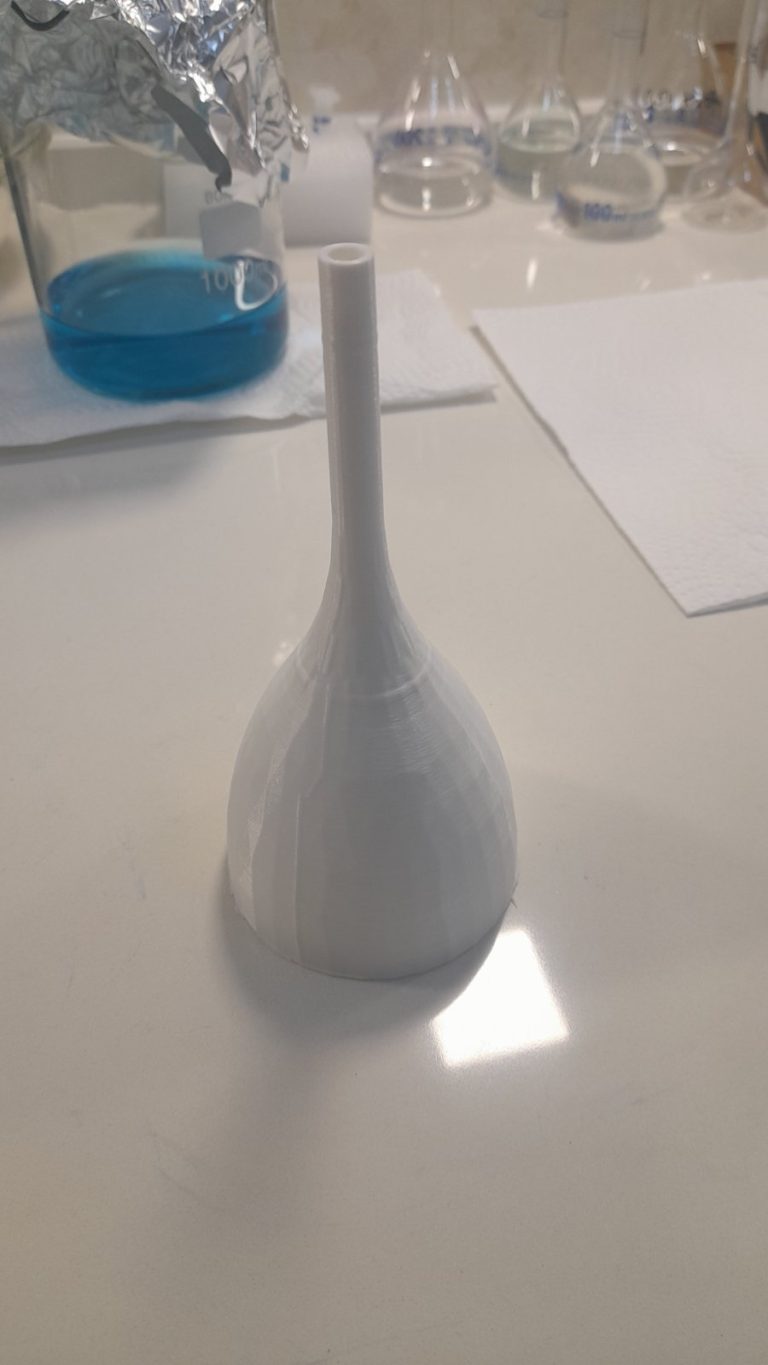
• Fabricate the filter using the optimised material based on activated and doped pyrophyllite.
• Design and set up a pilot-scale test system for industrial wastewater treatment.
• Conduct pilot tests in natural wastewater conditions and monitor parameters like breakthrough time and sorption capacity over multiple cycles.


WP5: Environmental and Economic Assessment
• Assess the environmental impact of the modified and doped pyrophyllite, ensuring that no harmful byproducts are produced.
• Perform a lifecycle analysis (LCA) to determine the sustainability of the filter.
• Analyse the economic feasibility and scalability of the filter for large-scale wastewater treatment applications.

WP6: Reporting, Dissemination, and Future Development
• Design of the project website and creation of social media accounts and profiles.
• Write a comprehensive report outlining the project’s results.
• Prepare scientific publications and conference presentations.
• Outline potential next steps, such as further optimisation or commercialisation.